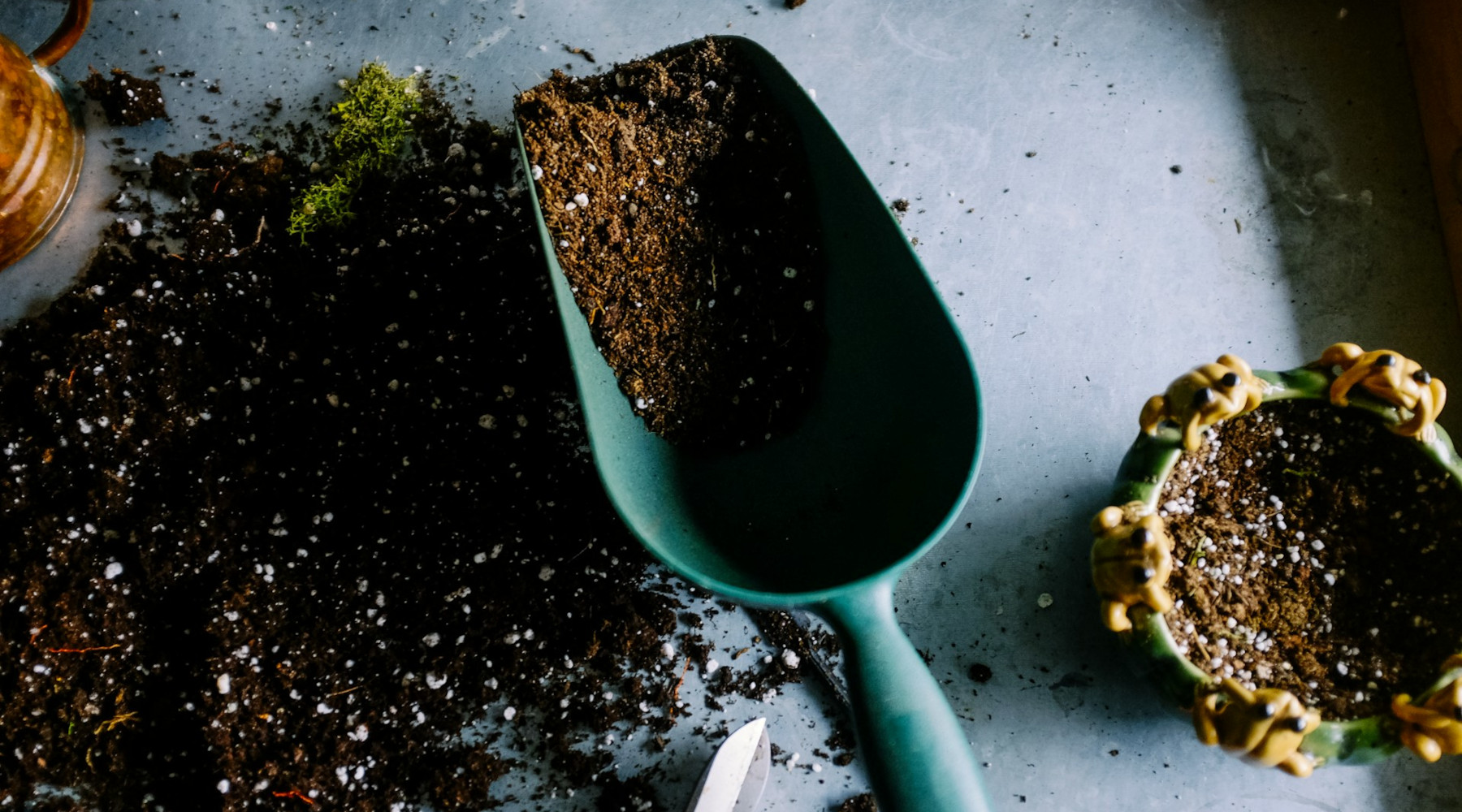

Gardening is generally considered a good activity for the environment. Those that put care and attention into their gardens can contribute to reducing pollution, improving air quality and benefiting insects.
However, failing to follow sustainable practices could lead your gardening efforts to actually be worse for the environment. Consider the amount of electricity used to power lawn mowers and the amount of water that certain plants require. Along with other factors, the energy efficiency of your garden could quickly deteriorate.
With that in mind, here are some ways to maintain a beautiful garden while also being cautious about your energy consumption.
Choose Plants Wisely
Some plants require more attention than others, and often attention means energy. Opting for plants that do not require as much watering means you can reduce water usage while pest-repelling flowers negates the need for chemical pesticides which are harmful to the environment.
It’s also worth pointing out that some plants are naturally better for the environment than others. Plum trees, climbing honeysuckles and French marigolds are examples that are considered to be eco-friendly plants.
Optimize Irrigation
Your water usage plays a big part in the eco-friendliness of your garden, but unfortunately, it is a necessity when it comes to taking care of grass, soil and plants. While water is a must, there are ways to reduce your consumption.
The best way is to collect rainwater, known as rainwater harvesting. This is the process of storing rainwater in a tank or butt before using it to water your garden. It’s worth pointing out that rainwater can be used for other tasks such as cleaning your car. If you are prepared to make the extra effort to filter your collected rainwater, you can even use it for tasks inside the house such as showering and cooking.
You can also be clever with when you water your plants; choosing the most effective time will reduce the frequency of which you need to water your pants. Watering in the morning minimizes evaporation and is generally considered the best time to water plants.
Energy-Efficient Tools
Maintaining your garden requires a lot of human power at times, but we also need some help from tools. High power garden tools are one of the biggest culprits when it comes to energy usage whilst gardening. As a result, it’s imperative to consider ways to reduce this output.
Firstly, where possible, use manual tools such as hand forks and pruners as opposed to electric alternatives. However, not all tasks can be carried out manually, nobody expects you to cut a lawn with a pair of scissors!
For tasks that require electric tools, it’s worth researching the most energy-efficient options. You should find an abundance of rechargeable electric tools regardless of the task you require them for.
Seasonal Adjustments
Climate and seasons make up a big part of garden maintenance. Planning accordingly for the weather will help you reduce the amount of energy needed to maintain plants. For example, heleniums and astilbes require a lot of water and thrive in damp conditions. This obviously does not make them a great choice for those living in climates that see very little rainfall.
Anyone living in countries with cold winters should prepare their gardens to avoid relying on heating systems that use up vast amounts of energy. Solutions to growing plants in cold temperatures that do not require electricity include greenhouses, covers and wraps.
Planting Strategies
There are ways to strategically plant trees, shrubs and plants that will help to reduce the energy needed to maintain your garden. For example, use trees as a shade provider instead of relying on air conditioning when your garden gets too hot.
If you are growing vegetables in your garden, it may also be a good idea to grow plants like marigolds nearby due to their insect repelling nature. This is another way to reduce the need for pesticides which contribute to poor air quality and also harm wildlife.
Final Thoughts
It’s important to remember that no two gardens are the same, and your garden’s needs are drastically impacted by your country and climate. As a result, ways to improve your garden’s energy efficiency will differ from one household to the next.
A good starting point is to consider your own external surroundings including sunlight, rainfall and garden size. Only then will you be able to fully understand what your garden needs. Once you understand your garden’s requirements, you begin to improve the eco-friendliness of your gardening activities.
Enrik Karlsson is a retired interior designer who recently fell in love with gardening, and keeps himself busy through creative writing.
