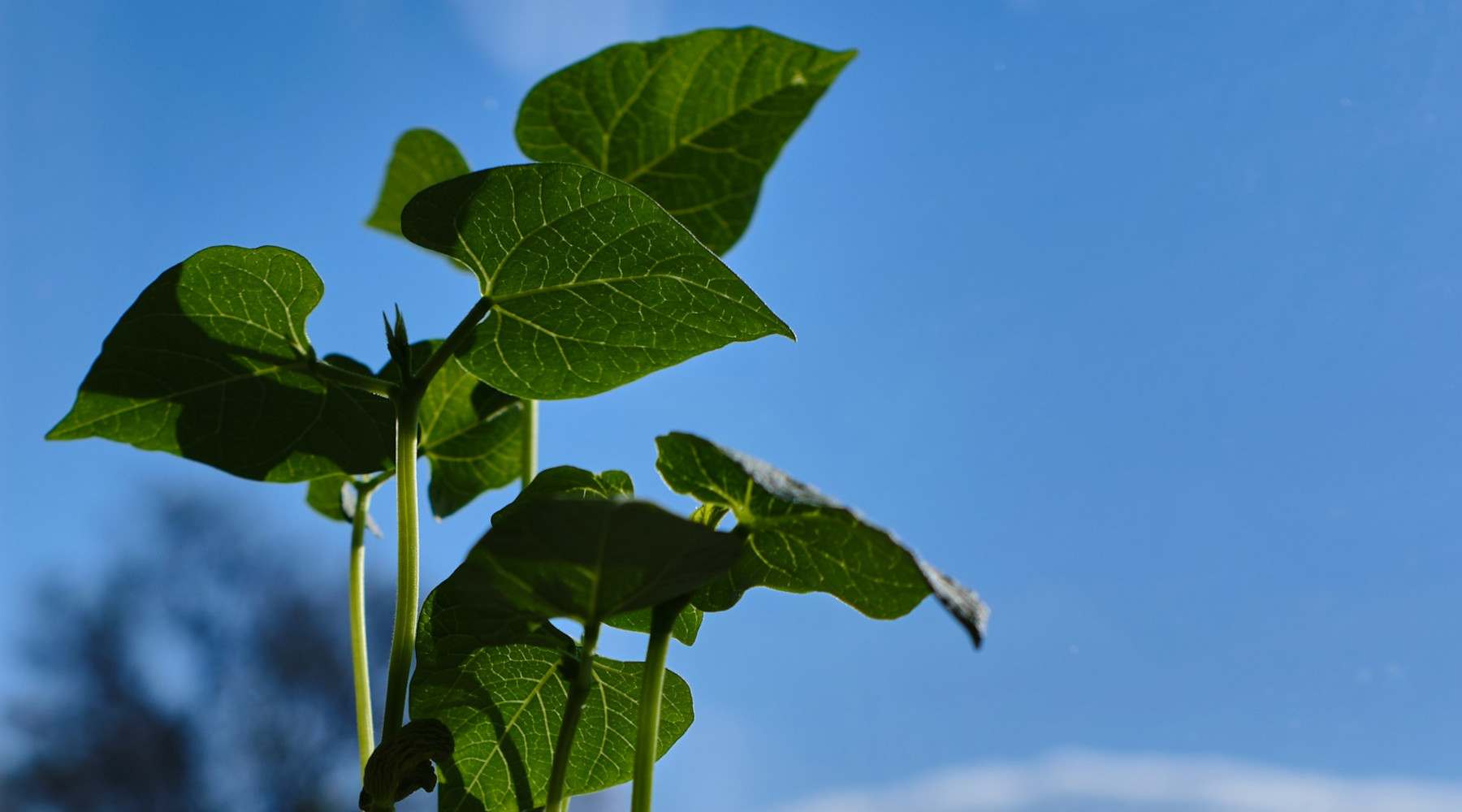

They’re mean, they’re green, and they’re a staple in many gardens! Green beans (or snap beans, as they’re also known) are a versatile vegetable for just about any garden plot, as they can be more forgiving of poor soils than many other vegetables. They can also be incorporated into your garden in a variety of ways – grown up a trellis, in rows, or even up sunflowers or cornstalks. Let’s snap to it and learn how to grow this delectable vegetable!
Green beans are the immature pods of the Phaseolus vulgaris plant. They are also commonly referred to as snap beans, string beans, and French beans. And while the pods are often green, sometimes they’re also hues of yellow or purple. Easy to grow, green beans are a wonderful choice for novice gardeners (and beloved by many experienced gardeners as well!). Ready to plant your own? Here’s a quick guide on what you need to know. Let’s grow!
Planting requirements
Sun: Full sun, tolerates some afternoon shade
Spacing: 2” between plants, in rows 20–36″ apart
Soil: Average fertility, well-drained soil
Water: Consistent water; does not do well in excessively wet areas
Growing guide
Growing green beans is a rewarding endeavor, even for those who have never grown a thing! They germinate and grow quickly, providing an abundant harvest within a couple of months of sowing.
Unlike some crops, green beans do best directly sown into their permanent home. Once you’ve passed your last frost date, you can go ahead and sow your seeds about 1-2” apart in rows 2-3’ apart. Pay attention to your seed packet for more information, as there are differences between varieties.
Green beans like the cool weather of spring and fall, but can suffer in weather that is too hot. So make sure to get your green beans in the ground quickly, to avoid the worst heat of summer. Shade cloth and careful watering can help these plants through a hot spell, thankfully.
Once your green beans have germinated, they won’t need much care other than consistent watering and weeding. As a legume, beans fix their own nitrogen, and won’t need much supplemental fertilizer through the season. A layer of straw mulch will help maintain your soil moisture and suppress weeds.
Green bean plants grow quickly, and you’ll likely be ready to harvest your first few pods in less than two months. Harvest before the beans begin to grow too large, as they will become tough and lose some sweetness if they hang on the plant too long. Once you’ve begun to harvest, make sure to keep picking! Picking green beans will trigger the plant to keep pumping out blossoms (and more beans). Harvesting is often the most labor intensive part of growing green beans, as you will need to pick them every two days, at minimum. After harvesting, rinse them in cold water, bag them up, and put them in the refrigerator. They should stay fresh and snappy for several days.
Even with consistent harvesting, you may find your patch of green beans slows down its production after a time. If you’d like a consistent supply (and don’t mind all that harvesting!), you can plant successive patches of green beans every few weeks, timing your planting and harvesting schedule to your liking.

Bush vs. Pole Beans
There are two main types of green beans: bush beans and pole beans. Bush beans grow, as its namesake implies, into a bush about 2-3’ high. Pole beans, on the other hand, will grow much higher, and require some sort of trellising.
Bush beans
Bush beans are compact and don’t require any extra support. If you’re growing in a raised bed, or have a limited amount of space, you may want to start with bush beans.
Harvests of bush beans, while prolific, often come in a condensed timeframe. If you decide to grow bush beans, you may want to grow successive plantings to make sure you always have some fresh beans to snack on later in the season. Harvesting will also take place closer to the ground, so if you have trouble sitting or crouching for long periods of time, you may prefer to grow pole beans.
Pole beans
Pole beans are a wonderful option if you have the space for a trellis of some sort. Pole beans can also be grown up sunflower stalks (make sure to establish the sunflowers first, so as not to smother the flowers), or can be grown across an archway. Any sort of structure will do, so let your creativity run wild!
Of course, with large plants, come large harvests. Pole beans tend to produce their crops over an extended period of time, so you won’t need many – or any – successive plantings, depending on the length of your season. Harvesting will also take place while standing, so it may prove easier for those unable to crouch or sit for long periods.
Did you know?
- Green beans can produce their own nitrogen. How? By a unique relationship with a particular bacteria in your soil. You can even purchase a soil inoculant to ensure your bean plants thrive.
- The yardlong bean or asparagus bean, while very similar to the common green bean, is placed in another genus altogether: Vigna unguiculata subsp. sesquipedalis. It is most commonly cultivated in subtropical climates.
- Green beans were first cultivated in South and Central America.
- The popular pickled green bean, the dilly bean, was first developed by schoolteacher-turned-businesswoman Sonya Hagna in 1958. Its success was largely in part to a successful marketing campaign.
