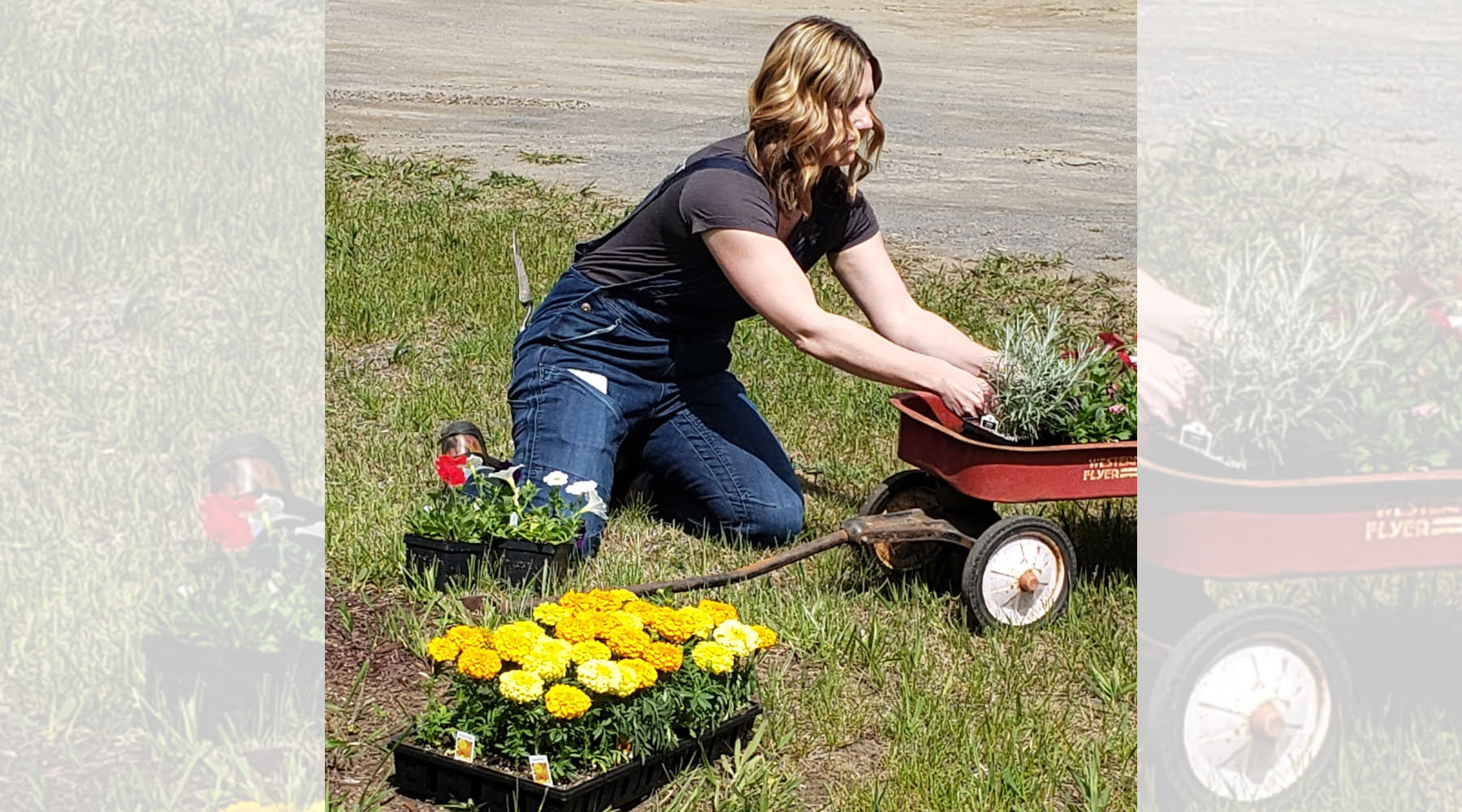

It’s spring here in our corner of the world, a time to celebrate life, renewal, and growth. What better season is there to start your very own garden? Large or small, flowers or vegetables, perennials or annuals, the possibilities are endless. And a garden can provide you with exercise, positive mental health benefits, and – if you’re lucky – a hearty harvest for your kitchen. But dreams aside, right now, you may be staring at an empty lawn. How do you get from lawn to garden?
“Starting can be the most difficult part of a new garden,” says Brittany Jenks, managing editor of the Daily Dirt. “A blank canvas – like a lawn – can be intimidating. Starting small, taking it slow, and getting your hands in the dirt are the first steps. It’s a process worth enjoying and having fun with!”
We’re excited to share this gardening journey with you, step by step, as we transform a patch of lawn into a lush, lovely garden space for Kate Ziehm, president and owner of Morning Ag Clips and the Daily Dirt. Follow along on this informal, down-to-earth adventure. Will there be mistakes? Most likely. Will there be sunshine, vegetables, and great fun? You bet!

Of course, the first step in growing a garden doesn’t take place outside at all. It takes place inside, cozied up on the couch with a pen and paper in hand. Because before you start your garden, you have to have a dream and a plan. Make lists and sketch what you want your garden to look like. Go crazy, dream big, but then let a little reality settle in. What do you want to achieve this year?
“I want to grow peppers, grape tomatoes, carrots, green beans, lettuce, and some flowers,” says Kate. “And I’d like to get a bountiful harvest, in an organized way, that looks pretty too!”
Start small
Keeping it simple is a great strategy. You don’t have to grow everything when you start. Pick a few flowers or vegetables that you really enjoy or a few crops that might lower your grocery bill.
Kate picked five specific vegetables and plans to pop in a few flowers here and there. In future years, you can expand and experiment with new plants, but when you’re first starting out, selecting a few special vegetables is a great idea. This will allow you to focus on learning what your crops require, as well as how much time and energy a small garden demands.
You can always grow more in future years, but getting overwhelmed by a large garden is a recipe for disaster. Keep it light, enjoyable, and fun during your first growing season!
Keep time in mind
Next, how much time do you have to dedicate to a garden? Do you have three hours on Tuesday nights, or 10 minutes every day? This is another great reason to start small, as the time commitment of a garden should complement your lifestyle. If a single raised bed is all you want to manage, well, you can grow a lot of food in a small space! Go for it!
Kate has a couple of hours a week to give to her garden. “I want the weeds controlled, and I want to stay on top of bug load,” says Kate. Having specific goals in mind while we plan is important. If you travel a great deal during the summer months, perhaps you want to focus on installing a watering system. Or maybe you have more time on the weekends? Think about what your schedule will look like and where you might be able to squeeze a few minutes of garden time in.
Stay on budget
Do you have a budget? Even a small garden will cost a little bit of money, between seeds, fertilizer, and supplies. Most people cannot afford to install a huge garden with lots of hardscaping and structures all at once.
If you’re trying to save money on your grocery bill, you’ll want to make the most of what you have at hand. What do you have access to already? What could you get for free or cheaply?
If you do have a modest budget to begin a garden, consider the elements you want to focus on first. Is having a reliable irrigation system most important? Or perhaps you want to save some strain on your back and prioritize raised beds? Balance your budget with your specific goals. Make a financial plan and stick to it throughout the season.
Location, location, location
When you transform a lawn into a garden, there are three major elements to consider: soil, water, and sunlight. These are physical limitations that aren’t easily changed, so you’ll want to select your garden site carefully. Altering your soil quality, your water source, and the amount of sunlight you receive can be time-consuming, expensive, or both. As you step out onto your lawn, consider the site of your future garden carefully.
Sunlight
If you’re growing in your backyard, make sure your garden receives at least 6-8 hours of sunshine each day. Kate has chosen two possible locations for her garden. One receives a little under 8 hours of sunlight, while the other receives full sun for the majority of the day. And don’t forget: those leafless trees in early spring will cast quite a bit of shade later in the season.
Water
Where is your water? Will you be using a sprinkler, or will you have to fill watering cans far away and carry them? Kate has access to plenty of water and hoses, which can be attached to a sprinkler. When the hot days of summer roll around, most plants will require some supplemental watering. If you don’t have easy access to water, you’ll want to consider heavy mulching to preserve as much soil moisture as possible.
Soil
Your soil is another important factor to consider as you plan a garden. You have two ways to unearth your soil type: grab a spade and head out to the garden, or head over to the USDA NRCS’s Web Soil Survey map. Enter your address, select your area of interest (AOI), and then click the “Soil Map” tab. You’ll likely have clay, sandy, or loamy soil, or a combination of these types. Ideally, you’ll have loamy soil with plenty of organic matter, but there are pros and cons to all soil types.
Kate will be performing two types of soil tests before a single seed touches the ground. The first one will identify any potential contamination from lead and arsenic. The second soil test will identify the nutrients available in the soil. We’ll be going over the results from these soil tests in a future column, as well as how you can perform a soil test for your own plot.
Looking ahead
Now is the time to plan, design, and dream of all the possibilities a garden might bring this year. Let your imagination go wild! Then reign in those ideas and consider what you want to accomplish this year. Set realistic goals for yourself, start out small, and make a budget. Once you have a handle on the time and care a garden demands, you can always grow more next year.
Set yourself up for success as you work towards transforming your own lawn into the garden of your dreams! As for Kate’s dream? Follow along for more developments in our next column! We’ll be digging deeper into Kate’s soil and taking our first steps towards crafting a new garden space.
