
The Pennsylvania Horticultural Society (PHS) has shared its list of 2025 Gold Medal Plant winners, now available to the public through garden retailers. The Gold Medal Plant Program was created by PHS in 1979 to celebrate and showcase beautiful, easy-to-grow plant species that are ideal for home gardening. Each year, the Pennsylvania Horticultural Society recognizes exceptional plants for gardening in the Mid-Atlantic including a variety of perennials, vines, shrubs, ornamental grasses, edibles, and trees. These selections are also based on specific criteria including hardiness, ecological benefits, and beauty.
Since the program’s inception, PHS has named over 150 Gold Medal Plants. Including this year’s winners, all plants are indicated for their hardiness in zones 4 to 8 on the USDA’s hardiness zone map, making them ideal choices for the Mid-Atlantic region.
“The PHS Gold Medal Plant program provides amateur and professional gardeners alike with unique plant species suggestions to help refresh their gardens with easy-to-grow, hardy perennials, trees, shrubs, and edibles, many of which also bring ecological function to the garden and benefit local wildlife.” said Andrew Bunting, PHS’s Vice President of Horticulture. “This year’s Gold Medal Plant winners provide a wide array of plant recommendations that are well-suited to many different types of garden spaces, making it simple to find a plant that is right for your garden’s conditions.”
To learn more about this year’s Gold Medal Plants, or to view previous year’s winners in PHS’s online database, please visit: phsonline.org/for-gardeners/gold-medal-plants.
2025 PHS Gold Medal Plants
Acer rubrum Redpointe®
Tree
The Acer rubrum Redpointe®, red maple, is native to North America. Redpointe® possesses an improved branching habit and is great at enduring heat and drought. It thrives best in well-drained, moist, rich, slightly acidic soil, but is also tolerant of wet conditions. Exceptional red fall color will occur when grown in full sun. It attracts a myriad of bee species. Redpointe® can grow up to 45 feet tall and is hardy in zones 4-8.


Amelanchier x grandiflora ‘Autumn Brilliance’
Tree
Amelanchier x grandiflora ‘Autumn Brilliance’, apple serviceberry, is an exceptional deciduous shrub or small tree that has an upright spreading habit and round canopy. Its brilliant fall colors of red and orange leaves give it its cultivar name. In early to mid-spring, the tree is adorned with clusters of star-shaped white flowers. Following the flowers, it produces small round edible berries that transition from red to deep purple when mature. It attracts songbirds, pollinators, and is adaptable to a variety of soil conditions. It can grow to be 15-25 feet tall and is hardy in zones 3-9.


Carex cherokeensis
Perennial
Carex cherokeensis, Cherokee sedge is a stately species with grass-like foliage that is nearly evergreen in the Mid-Atlantic region, making it a great alternative to common landscape groundcovers like Pachysandra terminalis and Liriope spicata. While this species has the most impact in the landscape when planted in masses, it is also large enough to be planted singly or in smaller numbers in the garden. The spring flowers and subsequent seed heads are attractive and add visual interest and texture until fall. It is 12-24 inches tall and wide at maturity and is hardy in zones 6-8.


Leucothoe axillaris ‘ReJoyce’
Shrub
Leucothoe axillaris ‘ReJoyce’, coast leucothoe, is a native evergreen shrub that provides four season interest. This deer-resistant shrub is adaptable to a wide range of light exposures and is particularly shade tolerant. It’s an excellent plant for small space gardens too. Beginning in spring, new red leaves emerge. White, urn-shaped flowers form in short clusters on gently arching branches. In the fall, foliage turns deep bronze-purple. It can grow to be 2-4 feet tall and is hardy in zones 5-7.

Monarda ‘Gardenview Scarlet’
Perennial
Monarda ‘Gardenview Scarlet’, beebalm, is an attractive clump-forming perennial with masses of vibrant red flowers that grows well in well-drained, humus-rich soils. It’s great as a cut flower too. ‘Gardenview Scarlet’ attracts hummingbirds, butterflies, and other beneficial pollinators. It is deer resistant and selected for its resistance to powdery mildew. ‘Gardenview Scarlet’ can grow up to 3 feet tall in clumps and is hardy in zones 4-9.

Solidago rugosa ‘Fireworks’
Perennial
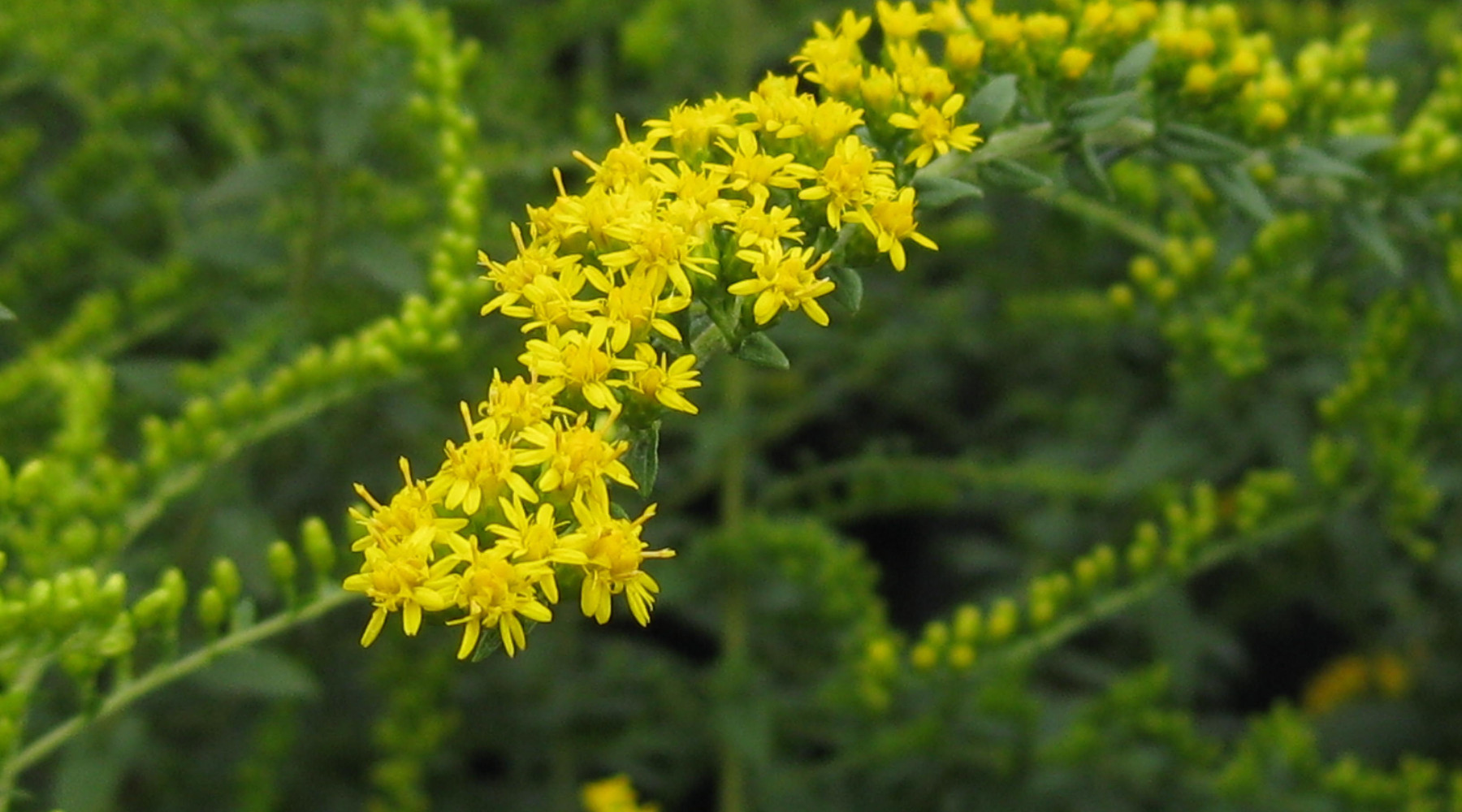
Solidago rugosa ‘Fireworks’, rough goldenrod is one of the best goldenrods for home gardens. It has a relatively compact habit, and it attracts scores of pollinators when it is in bloom in late summer and fall. The yellow flowers are small, fragrant, and resemble fireworks. Solidago rugosa ‘Fireworks’ can grow to be 3-4 feet tall and can spread to be 3 feet wide in 3-4 years and is hardy in zones 4-8


The Pennsylvania Horticultural Society (PHS), an internationally recognized nonprofit organization founded in 1827, uses horticulture to advance the health and well-being of the Greater Philadelphia region. PHS programs create healthier living environments, increase access to fresh food, expand access to jobs and economic opportunity, and strengthen deeper social connections between people. PHS’s work spans 250 neighborhoods; an expansive network of public gardens and landscapes; year-round learning experiences; and the nation’s signature gardening event, the Philadelphia Flower Show. PHS provides everyone with opportunities to garden for the greater good as a participant, member, donor, or volunteer. For information and to support this impactful work, please visit PHSonline.org.
All photos provided courtesy of the Pennsylvania Horticultural Society.
By the Pennsylvania Horticultural Society
