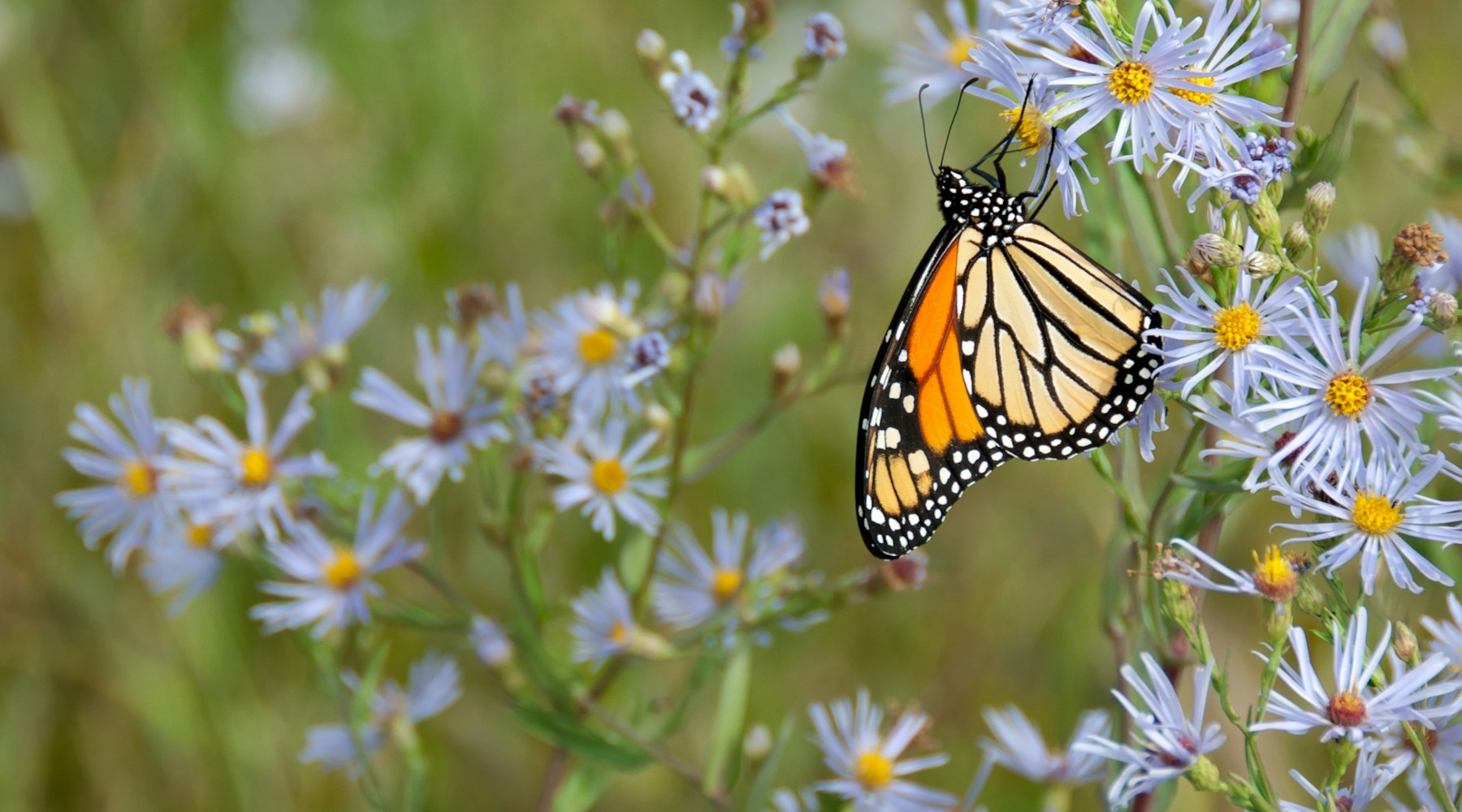

Butterflies are crucial for pollination and are a delight to host in the garden. Organizations have been established to support gardeners who recognize the value of butterflies. Using these guidelines and plant recommendations you can create a suitable habitat to help protect our ecosystem.
The North American Butterfly Association has resources for gardeners wanting to certify their landscape as a butterfly habitat. Here are the basic requirements essential for butterfly garden certification:
- At least three different caterpillar food plants
- At least three different native butterfly nectar sources
- No use of insecticides/pesticides (organic and synthetic)
You can see these requirements and apply online here: Butterfly Garden Certification Program
The Monarch Watch organization has a process to register your garden as a Monarch Waystation. There are over 46,000 waystations in the world providing habitats to support the population of monarch butterflies. Some basic necessary features of a waystation include:
- At least six hours of sunlight each day
- Milkweed plants- at least ten (preferably with two or more species (Visit Monarch Watch to see a list of native milkweed species by region.)
- Nectar plants – annuals, biennials, perennials
Regardless of the type of butterflies you are catering to, proper management of the habitat is necessary. This includes using mulch, thinning plants, fertilizing, amending the soil, watering and removing invasive plant species. Proper care minimizes the occurrence of diseases and pests which is particularly important since insecticides cannot be used.
By Cynthia Domenghini, Ph.D., K-State Research and Extension
