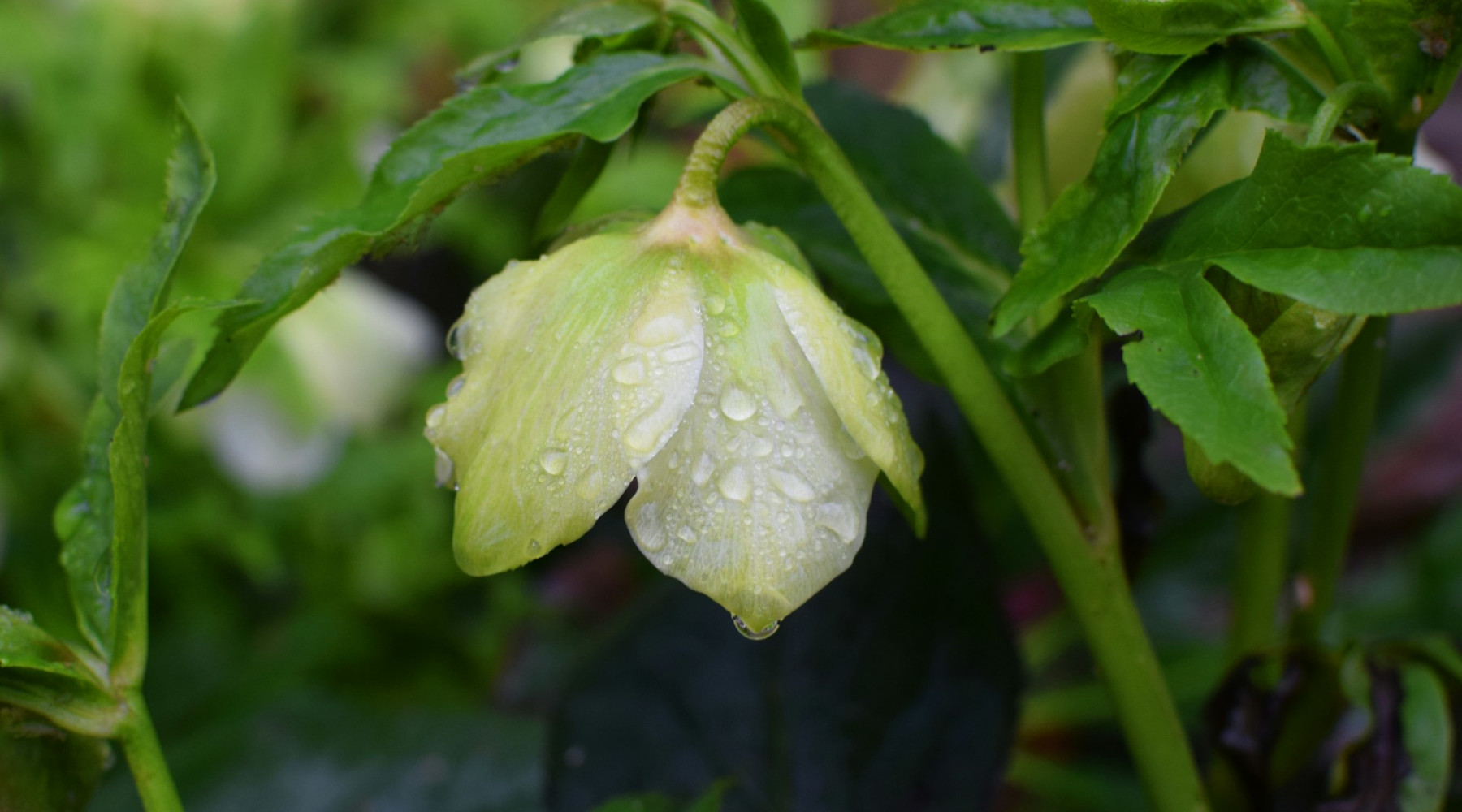

April teased us with a warm start before May whacked down gardener optimism with weeks of wet, gloomy weather. This damp spell stopped field work, slowed plant growth, drowned roots, and invited pests. But don’t despair with some strategic care, we can identify and address these plant issues and cheer up our gardens.
Damping Off: A Seedling Killer
Damping off is one of the most common gloomy weather issues. It is not a single disease, but rather a complex of pathogens that occur in excessively moist environments without much sun or airflow. Damping off cause’s seeds to rot, stunts transplants, and in its most common form, makes it look like someone pinched shut seedling stems right above the soil. While infected plants cannot be saved, you can protect nearby seedlings by improving airflow, reducing watering, and promptly removing infected plants.
Delays and Overgrown Starts
If your soil’s still too wet to work, you may be dealing with overgrown transplants. Here’s how to manage:
- Pot up valuable seedlings into larger containers to buy more time.
- Cool temps help—they slow growth and reduce legginess.
- Water less frequently (but deeply), to slow growth and begin hardening off plants.
- Switch to transplants for direct-seeded crops like spinach, beets, zucchini, sweet corn, cucumbers, or beans if you can’t get into your wet garden at the normal time.
Be realistic about which seedlings are worth saving. A prized tomato start may be worth nursing along—but sad, stunted lettuce might be better replaced.
Slugs and Snails on the Slither
Slugs and snails thrive in this damp weather and are showing up early and often. These pests hide during the day and feed at night, especially near field edges, brush or tall grass, or buildings. To fight back:
- Reduce habitat over the long term by mowing edges and removing debris, practicing good weed control and garden sanitation, and encouraging predators like snakes and toads.
- In the short term, increase airflow by thinning plants, pruning and trellising, and controlling weeds.
- Use either shallow container traps with beer or yeasty water, or board traps laid on the ground where slugs will collect (where you can pick off and kill them).
- Some chemical controls are labeled for slugs and snails, but you must read the label and follow all directions.
Even with all your efforts, slug damage may still be high in a wet year—so persistence is key.
Edema: Waterlogged Woes
Another side effect of wet, cloudy conditions is edema. This occurs when plant roots absorb more water than they can release, causing blisters or corky spots on leaves. While visually alarming, this condition often resolves as the weather improves. Handle affected plants gently and reduce watering or increase light if you can.
Bracing for the Sun
Eventually, the sun will come out. But when it does, expect more plant stress as they adjust. Sudden light, heat, and wind can cause wilting, sunburn, or wind damage in plants that haven’t built strong root systems yet. Ease the transition by providing temporary shade, watering more frequently during dry spells, and protecting them from wind. Most healthy plants will adapt and rebound with proper care. This spring’s rough weather doesn’t mean your garden is doomed. With a little extra care—and a watchful eye—your garden can still thrive in the sunnier days ahead.
Master Gardener helpline at ccemadisonmgv@gmail.com or give us a call at (315) 684-3001 ext. 119.
For commercial growers, you can reach out to our ag educators at madison@cornell.edu or (315) 684-3001 for technical assistance.
By Maryellen Sheehan, Cornell Cooperative Extension Madison County Agriculture Educator
