
I get a lot of calls about trees in trouble. My first question is always, “What kind of tree is it?”—and more often than not, folks just don’t know. But that’s the key first step. Insects and diseases tend to be species-specific, so to make a solid diagnosis and figure out a treatment, I need to know what I’m working with.
Photos or samples are helpful, but even better is knowing how to ID the tree. Luckily, tree identification is easier than it sounds—kind of like learning a secret language made of bark, leaves, and silhouettes. And you don’t need fancy gear or a degree to get started.
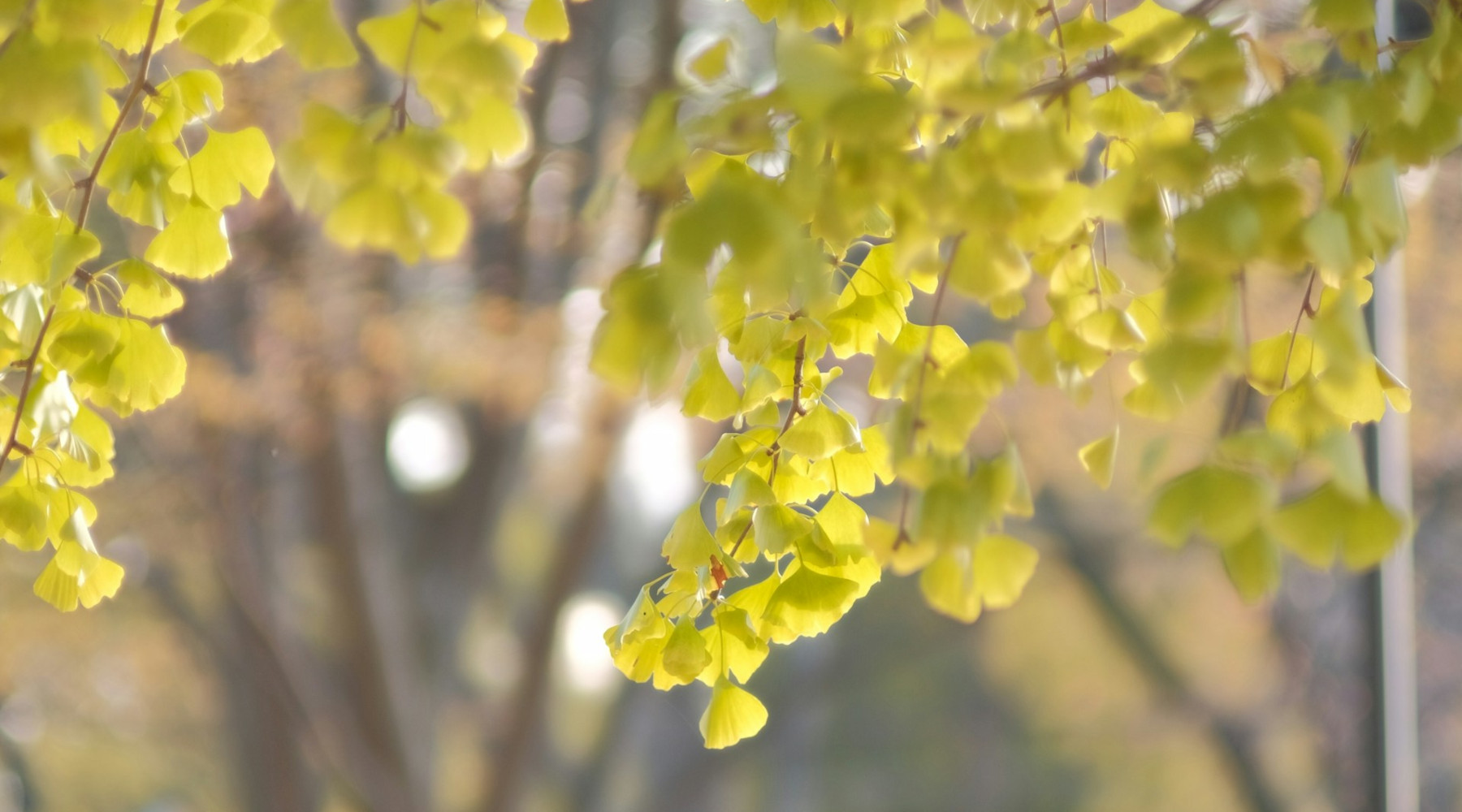
- Leaves: Are they broad and flat (like oak or maple) or needle-like (like spruce or pine)? Check their arrangement on the twig—opposite or alternate—and note the edge: smooth, lobed, or serrated.
- Bark: Especially useful in winter. Birch bark peels like paper, while ash shows a diamond pattern. Learning just a few types gives you a big head start.
- Silhouette: Tree shape is a giveaway. Poplars grow tall and narrow; oaks tend to sprawl wide. The overall form can clue you in from a distance.
If you’re ready to dig deeper, there are great tools out there. The Arbor Day Foundation’s ID tool (https://www.arborday.org/tree-identification) walks you through a few simple questions. iNaturalist (https://www.inaturalist.org/) is perfect for snapping a photo and letting AI and plant lovers do the rest.
For a more local take, check out the University of Minnesota’s Tree ID Guide (https://trees.umn.edu/trees/tree-identification). It’s full of region-specific info, diagrams, and photos—perfect if you want to move beyond the basics and get to know the trees in your own backyard.
In the end, learning trees isn’t just about being able to name them—it’s about paying attention. The oak that turns flaming orange every fall. The spruce that always drops cones near your driveway. These aren’t just trees; they’re familiar faces on the landscape of your daily life.
So next time you take a walk, look up. That quiet giant might just be ready to introduce itself.
For more news from U of M Extension, visit www.extension.umn.edu/news or contact Extension Communications at extdigest@umn.edu. University of Minnesota Extension is an equal opportunity educator and employer.
By Robin Trott, U of M Extension
