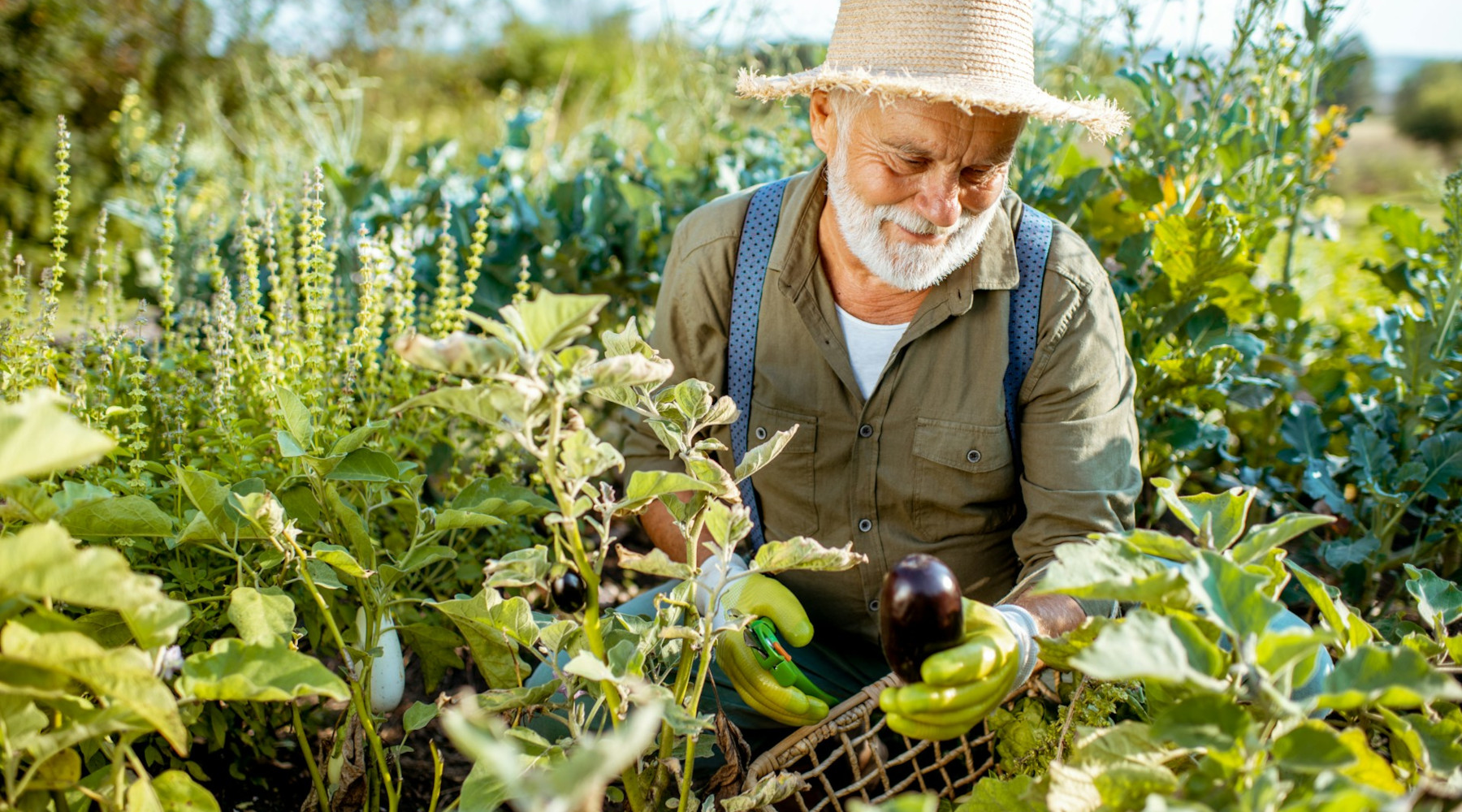

After an early summer of wild temperature swings, torrential rains, and damaging winds, Minnesota gardeners are more than ready for some stability. July offers that—at least a bit—and it’s the perfect time to catch up, fine-tune, and set your garden up for strong summer growth.
- Weeding Weeds love the same sunshine and rain as your flowers and veggies—and they grow fast. Pull them early and often, especially before they go to seed. A sharp hoe makes quick work of small weeds when the soil is dry. Focus on areas around young plants and garden borders.
- Scouting for Pests and Disease July brings bug traffic and fungal flare-ups. Watch for aphids, cabbage worms, Japanese beetles, and powdery mildew. Check under leaves and around buds. Remove pests by hand, spray with insecticidal soap, or prune infected foliage. Catching issues early keeps damage to a minimum.
- Succession Planting Just because it’s midsummer doesn’t mean planting is over. Fast growers like lettuce, spinach, radishes, green beans, and cilantro can still go in for an early fall harvest. As spring crops finish, replant to keep the garden productive.
- Mulch Maintenance Top off mulch where it’s thinned out. A fresh 2–3-inch layer of straw, shredded leaves, or compost helps conserve water, block weeds, and keep soil temperatures steady. Just don’t pile it against plant stems—give them room to breathe.
- Water Wisely Rain may seem frequent, but surface water doesn’t always reach the roots. Check soil moisture a few inches down. Water early in the day, deeply and consistently, especially in heat waves. Soaker hoses or drip systems make the job easier and more efficient.
- Support and Prune Summer growth can be vigorous. Check tomato cages, trellises, and bean supports—tighten or reinforce as needed. Prune suckers from tomatoes, deadhead spent blooms and remove crowded or damaged foliage to improve airflow and reduce disease.
- Feed the Soil, Feed the Plants Mid-season is a great time to side-dress heavy feeders like corn, tomatoes, and squash with compost or a slow-release organic fertilizer. Healthy soil means healthy plants—and better yields.
- Attract Pollinators Add or maintain flowers like cosmos, zinnias, bee balm, or sunflowers to support bees and butterflies. These blooms not only help your harvest but also bring beauty and motion to your space.
- Look Ahead Start thinking about fall crops—broccoli, kale, carrots, and beets can be seeded by late July or early August. Planning now keeps your harvest going into autumn.
July is all about momentum. With steady weeding, watering, and observation, your garden can bounce back from a rough spring and thrive through summer’s peak. Keep tending, keep adjusting, and enjoy the rewards blooming right outside your door.
For more news from U of M Extension, visit www.extension.umn.edu/news or contact Extension Communications at extdigest@umn.edu. University of Minnesota Extension is an equal opportunity educator and employer.
By U of M Extension
