
By midsummer, Minnesota gardens are bursting with growth—but pests and disease are picking up steam too. Whether you’re growing vegetables, flowers, or both, now’s the time to adopt a simple scouting routine. Just a few minutes every few days can help you catch problems early—before they take
hold.
What Is Scouting? It’s a regular garden walk with eyes open and curiosity engaged. Don’t wait for wilted leaves or chewed stems to surprise you. A slow morning stroll, coffee in hand, keeps you in tune with your plants and a step ahead of trouble.
Common Pests to Watch For
Aphids: Tiny green, black, or red insects clustered on stems or under leaves. Leaves may curl or yellow. Rinse them off, use insecticidal soap, or attract ladybugs and lacewings.
Cucumber Beetles: Yellow-and-black beetles chewing holes in cucumbers, melons, and squash. They also spread bacterial wilt. Handpick, scout early, or use row covers.
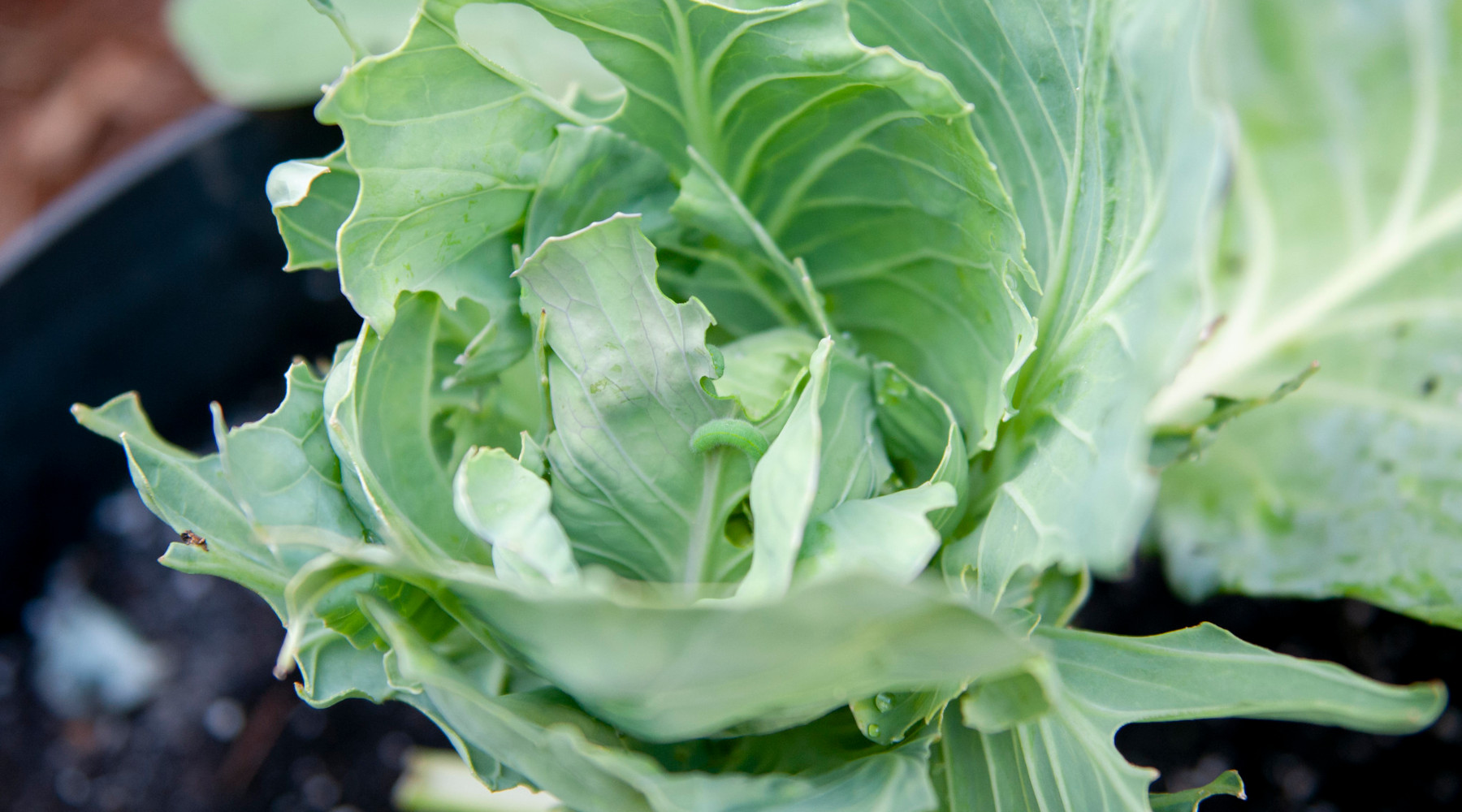
Cabbage Worms: Pale green caterpillars feeding on brassicas like kale and broccoli. Look for holes and droppings. Handpick or use Bt (Bacillus thuringiensis), a safe biological control.
Flea Beetles: Tiny jumping beetles that create “shotgun” holes in arugula, radishes, and eggplants. Row covers and consistent watering help minimize damage.
Early Disease Signs
Powdery Mildew: White, flour-like coating on leaves of squash, cucumbers, and zinnias. Improve airflow, avoid overhead watering, and prune affected areas.
Leaf Spot: Round spots with yellow halos on tomatoes, peppers, and perennials. Remove infected leaves, avoid wetting foliage, and mulch to prevent soil splash.
Track What You See
Keep a garden journal or snap photos to monitor changes. If something looks off, make a note. You’ll start to see patterns—like when pests arrive or which areas stay soggy after rain.
Scouting is most effective when paired with smart habits: water in the morning, mulch to regulate moisture, and give plants room to breathe. Most issues start small, so early action makes them easier to manage.
Looking for help diagnosing a plant or insect issue in your garden? The University of Minnesota Extension offers two excellent tools for home growers:
Plant Problem Diagnostic: https://apps.extension.umn.edu/garden/diagnose/plant/ Insect
Identification Tool: https://apps.extension.umn.edu/garden/diagnose/insect/
Both guides walk you through common symptoms and pests with photos and clear advice—perfect for gardeners looking to stay ahead of midsummer problems.
Remember, scouting isn’t about perfection, it’s about paying attention. A few minutes of observation now can save hours later and lead to a healthier, more resilient garden.
Until next time, happy gardening!
“Gardening simply does not allow one to be mentally old, because too many hopes and dreams are yet to be realized.” – Allan Armitage
For more news from U of M Extension, visit www.extension.umn.edu/news or contact Extension Communications at extdigest@umn.edu. University of Minnesota Extension is an equal opportunity educator and employer.
By University of Minnesota Extension
