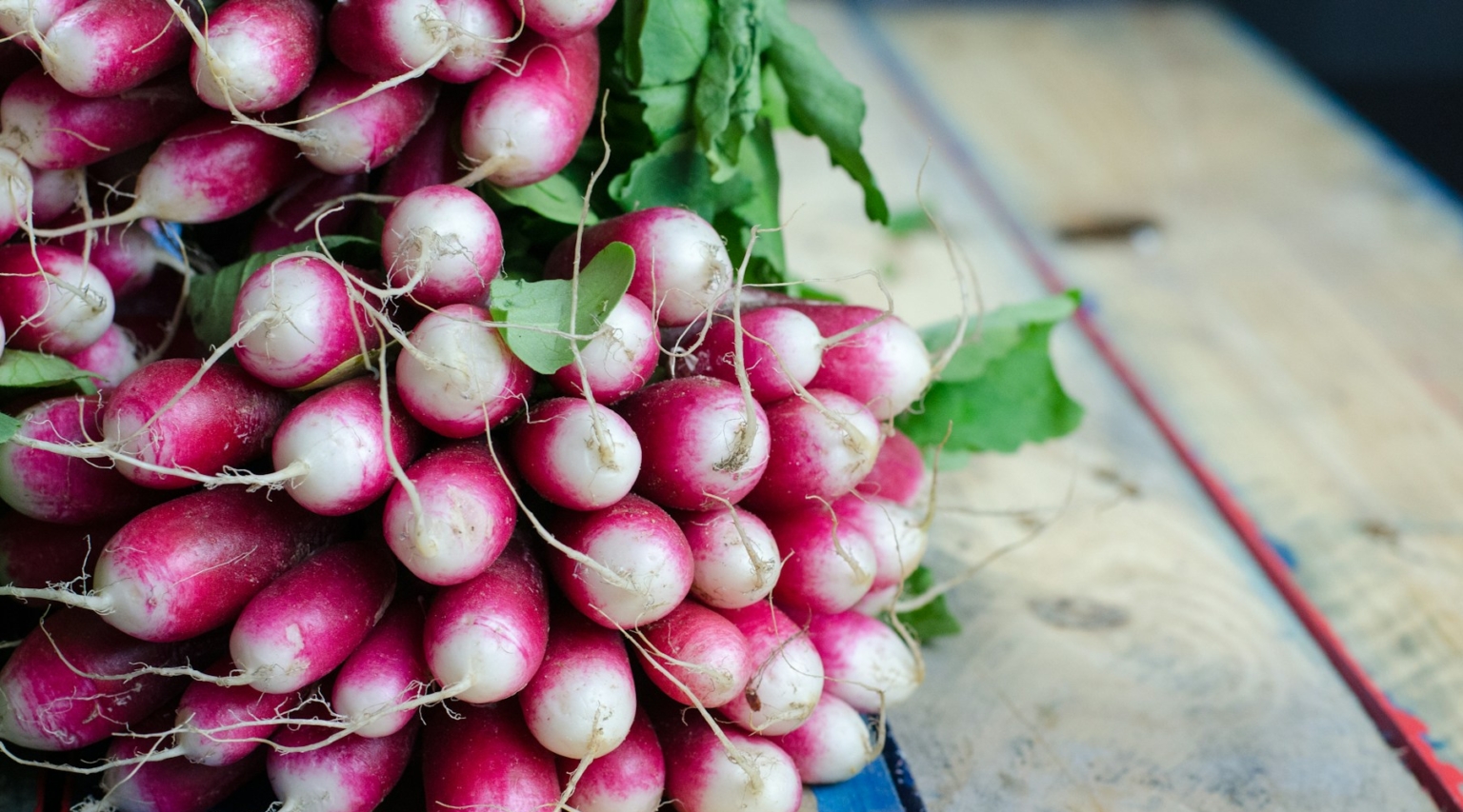

After harvesting early-maturing vegetables such as salad greens, radishes, peas and spinach, gardeners can plant other crops in midsummer for fall harvest. You can successfully grow some root crops, greens and other vegetables from August plantings.
It is important to know the average first frost date in your area. This will help you calculate when to plant these late vegetables so they will mature before cold weather damage. The average first frost date for Fillmore and Houston counties is around the first week of October.
Some vegetables will tolerate some frost and keep growing even when temperatures are in the low forties. Others cannot tolerate frost and stop growing in cool weather. Bush snap beans mature in 45 to 65 days, but even a light frost (temperatures between 30° and 32°) will kill the plants. Kale takes just as long to mature, but the plants continue to grow when temperatures are cool and can survive cold down to about 20°F.
Cool-season vegetables including kale and others in the cabbage family may be the best choice for mid-summer sowing. An earlier-than-expected frost will not kill them before they are ready to eat. Many of the cold-tolerant vegetables actually have better quality when grown in cool weather.
You can harvest leafy vegetables, such as Swiss chard, kale and mustard greens before the leaves reach full size. These small leaves are tenderer and tastier than mature ones. Plant these crops in succession every few weeks over the course of the spring and summer to provide a steady supply of young leaves.
Basil and cilantro are fast-growing herbs that are ready for harvest about a month after sowing the seed. Garlic planted in September produces the biggest bulbs the following July. After harvesting a late-maturing crop, you can plant garlic in that space.
Before sowing these second crops, turn over the soil and mix in some balanced fertilizer to replace what earlier plants have used up. Leftover debris like stems or roots from the first planting can cause problems in seed germination if you do not remove them or allow them to break down. Wait one to two weeks before seeding the second crop, or be sure to remove this material as completely as possible.
If you have questions about this or any other horticulture, agriculture or natural resources topic, please reach out to your local Extension Educator. Residents in Fillmore and Houston counties can call 507-765-3896 or 507-725-5807.
By University of Minnesota Extension
