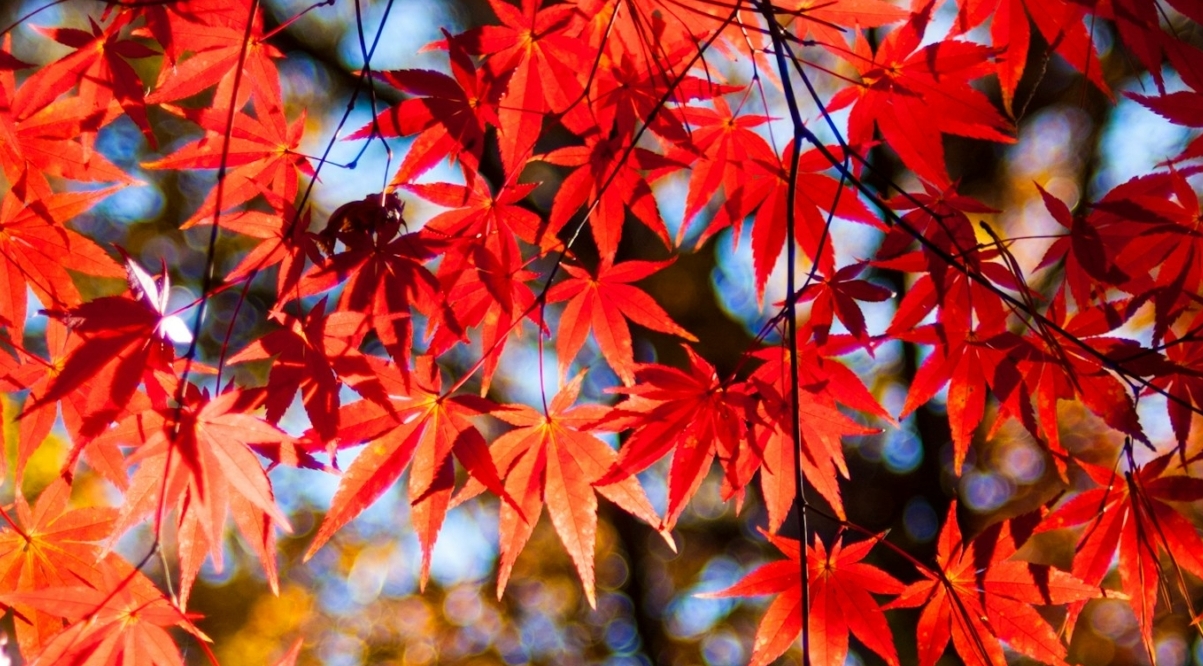

Since mid-July, I’ve noticed something strange in several maple trees I’ve driven by—their leaves are starting to show fall color! Sometimes it’s just the tips of the branches turning red or yellow; other times, it’s concentrated in one section of the canopy. It’s eye-catching, but also a little concerning. After all, it’s not supposed to look like October out there.
Early Color Isn’t a Seasonal Preview—It’s a Stress Signal
When maples start changing color in midsummer, it’s usually not about the calendar—it’s about survival. Trees respond to stress by shedding leaves or shifting pigments, trying to conserve energy and protect themselves. And this year, one major stressor stands out.
Too Much of a Good Thing?
This summer’s excessive rains could be the culprit in turning our trees early. Maple’s shallow root systems, combined with saturated soils, can cause all sorts of problems. Maples are especially sensitive to standing water, which can quickly stress their roots. When roots sit in soggy soil for too long, they can’t get the oxygen they need. That leads to poor nutrient uptake, and the tree may respond by dropping leaves or changing color—much like it would in fall, but for all the wrong reasons.
Other Stress Factors to Watch For
While rain is a big player this season, it’s not the only one. Maples are sensitive to a range of environmental challenges:
- Drought and heat: Dry spells can dehydrate leaves, especially during hot, windy days.
- Nutrient deficiencies: Low nitrogen or other key nutrients can slow chlorophyll production, revealing reds and yellows.
- Compacted soil: Heavy foot traffic or construction can compress soil, limiting root function.
- Pests and diseases: Fungal infections like anthracnose or verticillium wilt, or insect damage, can cause localized leaf discoloration and drop.
What You Can Do to Help
Start by checking your soil. Is it soggy? Bone dry? Somewhere in between? Mulching can help regulate moisture, but make sure it’s not piled against the trunk – think donuts, not volcanoes! If you’re seeing standing water, consider improving drainage or gently aerating the soil.
A soil test can also help pinpoint nutrient issues. And if you suspect disease or pests, it’s worth calling in a certified arborist for a closer look.
Don’t Panic—But Don’t Ignore It
Early leaf color doesn’t mean your tree is doomed. It’s a heads-up that something’s off, and with a little care, most maples bounce back. So next time you see a red leaf fluttering down in mid-summer, don’t reach for your pumpkin spice latte just yet. Your tree might just be asking for a little help.
Until next time, Happy Gardening!
By Robin Trott, University of Minnesota Extension
