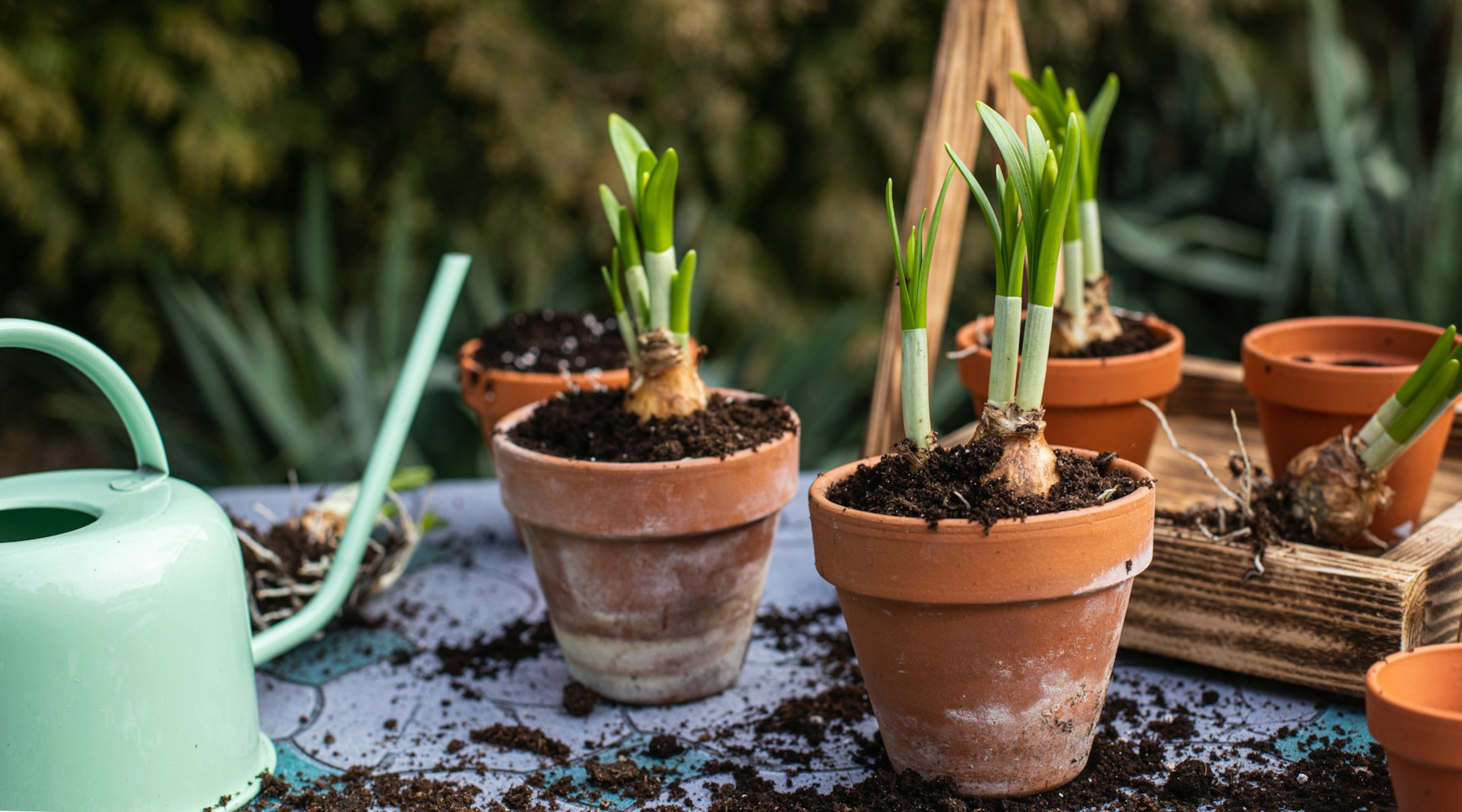

Garden centers have put their fall bulbs on sale, and there is still time to purchase some for indoor forcing projects. Forcing flower bulbs indoors is an excellent way to brighten the cold, gray days of winter. Choose bulbs that are large, firm, and unblemished. Large, high-quality bulbs produce the largest, most attractive flowers.
Forcing bulbs is a simple and rewarding way to bring a bit of spring into your home months ahead of schedule. Popular choices include paperwhites, amaryllis, hyacinths, tulips, and daffodils. Each has its own charm, and with a little planning, you can enjoy a succession of blooms throughout the winter.
Start by selecting the right container. Shallow pots work well for bulbs like hyacinths and tulips, while deeper containers are better suited for amaryllis. Make sure your container has good drainage or use decorative stones or pebbles if you’re growing bulbs hydroponically (especially popular with paperwhites).
Next, prepare your bulbs. Some bulbs, like paperwhites and amaryllis, don’t require a chilling period and can be planted immediately. Others—like tulips, daffodils, and hyacinths—need a cold treatment to simulate winter. This means placing them in a cool, dark place (around 35–45°F) for 12–16 weeks. A spare refrigerator or unheated garage can work well for this step.
Once chilled, plant your bulbs in potting soil or set them atop pebbles with water just touching the base. Place them in a cool, dim spot until roots develop and shoots begin to emerge. Then move them to a sunny window and watch the magic happen. Within a few weeks, you’ll be rewarded with fragrant, colorful blooms that lift the spirits and add life to your indoor space.
One of the joys of forcing bulbs is the ability to stagger plantings. By starting a few pots every couple of weeks, you can enjoy fresh flowers continuously from December through March. It’s also a great activity to share with children or older adults—easy, hands-on, and full of anticipation.
If you’re new to bulb forcing, start with paperwhites. They’re the easiest and fastest to bloom, often flowering within 2–3 weeks of planting. Amaryllis are another favorite, producing large, dramatic flowers in shades of red, pink, white, and even striped varieties.
Don’t forget to save your bulbs after blooming. While some may not rebloom indoors, many can be planted outdoors in spring to naturalize and bloom again in future seasons.
Whether you’re a seasoned gardener or just looking for a winter pick-me-up, forcing bulbs indoors is a delightful way to stay connected to nature. With a little care and creativity, you can turn your windowsill into a mini spring garden—right when you need it most.
For more information about forcing bulbs, visit: https://extension.umn.edu/planting-and-growing-guides/growing-bulbs-indoors
Until Next Time, Happy Gardening!
By Robin Trott, University of Minnesota Extension
