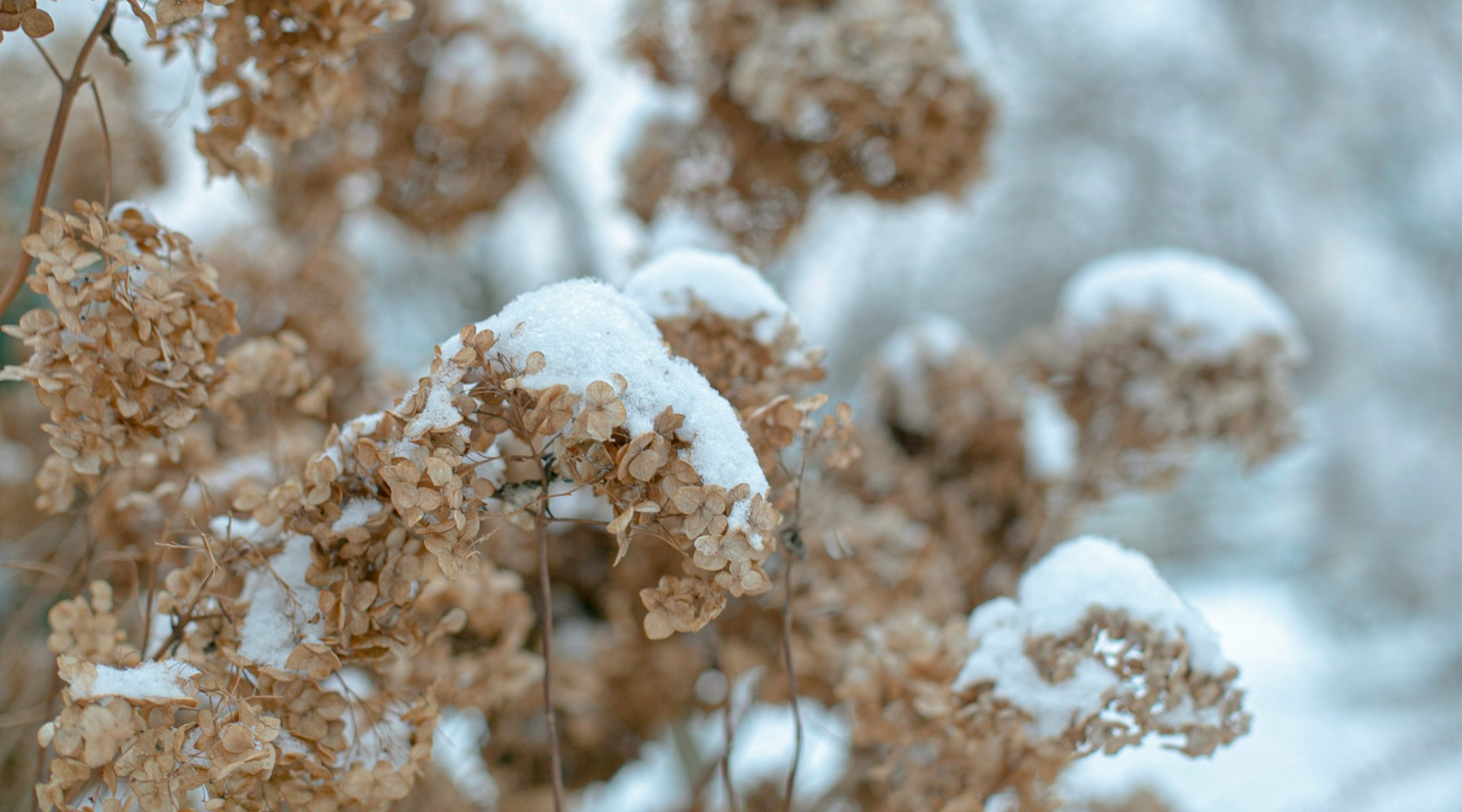

As Minnesota gardeners know all too well, we’ve been riding the weather roller coaster since August, fluctuating between warm spells and cooler-than-normal temperatures. But now, it looks like winter has made an appearance, with highs stuck in the 30s for several days. Aside from a few brief warm-ups in this week’s forecast, it seems winter weather might be here to stay.
Adding to the seasonal shift, the Minnesota State Climatology Office predicts this year’s La Niña to be mild but persistent, likely lasting through February. That could significantly affect how gardeners care for their landscapes this winter. With deep freezes, heavy snow, and a potentially late spring on the horizon, it’s time to prepare for a longer, harsher season.
What Is La Niña?
La Niña is part of a natural climate cycle called the El Niño–Southern Oscillation (ENSO). This cycle includes two phases, El Niño and La Niña, that influence global weather patterns based on changes in ocean temperatures and atmospheric conditions in the tropical Pacific.
During La Niña, cooler than normal sea surface temperatures develop in the central and eastern Pacific. These changes shift the jet stream and global weather patterns. For Minnesota, that usually means colder temperatures, more snow, and a longer winter.
What It Means for Your Garden
Even though most outdoor gardening slows down in winter, La Niña can still affect your landscape. Here’s how to get ahead of it:
- Mulch is your best friend. Add a thick layer around perennials, shrubs, and young trees to protect roots from deep freezes and soil heaving.
- Wrap sensitive plants. Use burlap or frost cloth on evergreens to shield them from windburn and freeze damage.
- Prune smart. Remove weak or damaged branches now to prevent breakage from heavy snow.
- Plan for a late start. Spring may arrive slowly, so adjust your seed-starting and planting calendar accordingly.
Helping Wildlife Through a Harsh Winter
La Niña winters can be tough on local wildlife, especially birds and pollinators. Here’s how you can help:
- Leave seed heads standing. Plants like coneflowers, sunflowers, and grasses provide natural food for birds.
- Keep leaf litter. It offers shelter for overwintering insects like native bees.
- Feed the birds. High-fat foods like suet, sunflower seeds, and peanuts help birds stay warm. Heated birdbaths are a bonus when water sources freeze.
- Create brush piles. These offer safe hiding spots for rabbits, squirrels, and ground-feeding birds.
Supporting wildlife isn’t just kind—it’s good for your garden. Many of these creatures help control pests and pollinate plants come spring.
Final Thoughts
La Niña may bring a longer, colder winter, but with a little prep, your garden, and the wildlife that visits it, can weather the season just fine. Mulch deeply, feed the birds, and start dreaming about spring. It’ll be here before you know it.
Until Next Time, Happy Gardening!
“In seed time learn, in harvest teach, in winter enjoy.” ~ William Blake
For more news from U of M Extension, visit www.extension.umn.edu/news or contact Extension Communications at extdigest@umn.edu. University of Minnesota Extension is an equal opportunity educator and employer.
By University of Minnesota Extension
