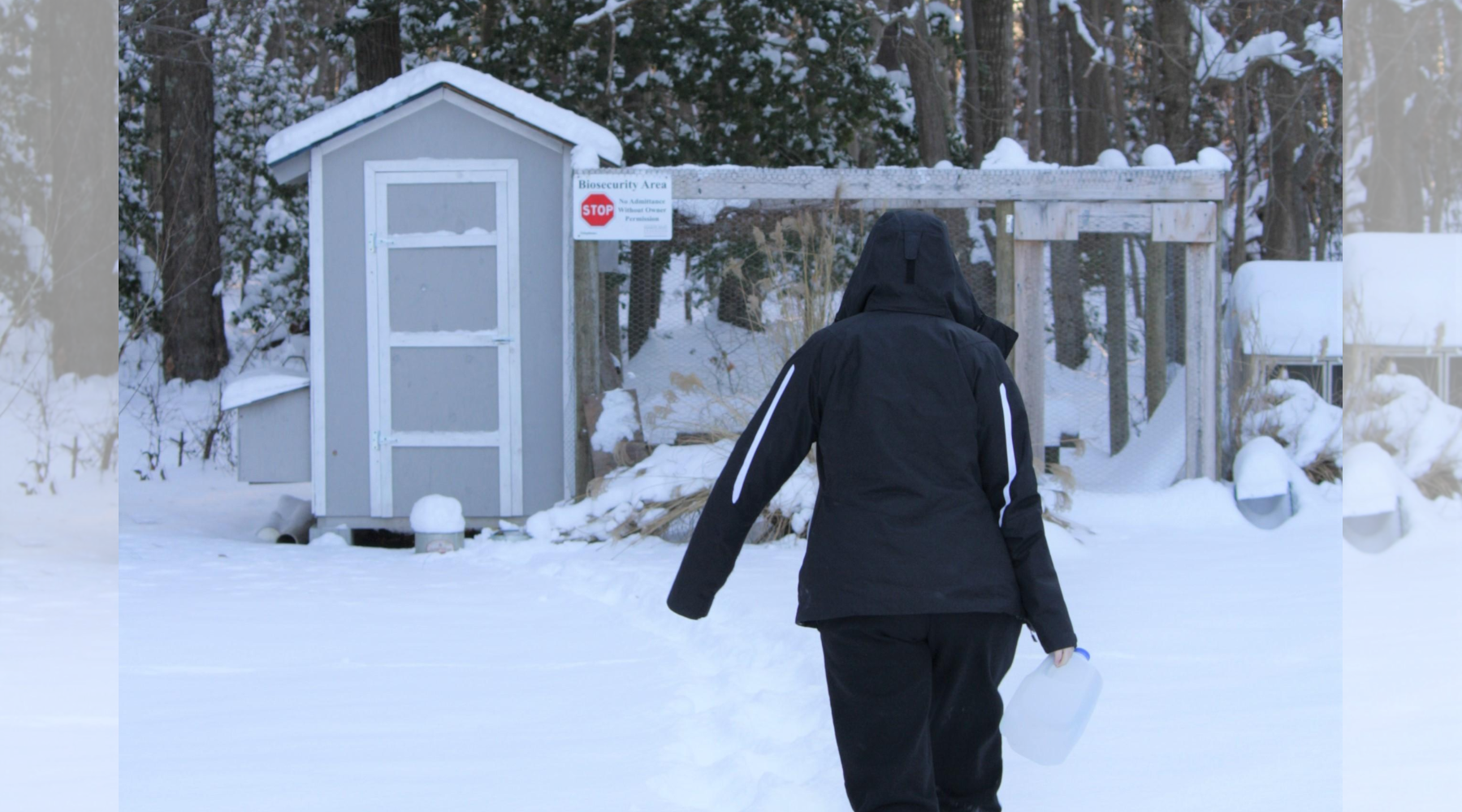

Cold weather brings new challenges for backyard flock owners and understanding how chickens perform in low temperatures is the first step in keeping them safe. Chickens maintain a body temperature around 106°F, but when the environment drops below their thermoneutral zone, typically 60–75°F, they begin working harder to stay warm. When they lose more heat than they can produce, cold stress sets in. Birds that huddle tightly, puff their feathers, or stand on one foot signal that they’re feeling the chill. Left unaddressed, cold stress can weaken birds, reduce production, and in severe cases, result in death.
Breed selection plays a significant role in Minnesota winter endurance. Heavy, well-feathered breeds such as Plymouth Rock, Wyandotte, Ameraucana, and Orpington tend to fare better in cold climates. Smaller breeds or those with large combs and lighter feathering may need additional attention. If you keep a mixed flock, observe how birds interact. Heavier or more dominant hens may crowd smaller ones away from roosts or feed.
A possible solution is to separate the flock during the winter, to prevent weight loss and stress in less dominant birds.
A well-prepared coop is essential protection against wintertime wind, snow, and predators. Providing sturdy, elevated roosts allows chickens to warm their feet and fluff their feathers without resting on a cold floor.
Wood is best, avoid metal or plastic, which hold cold and increases frostbite risk. Plan for roosts to sit at least 12 inches above the coop floor, allowing 9 inches of space per bird.
Draft management is another overlooked key factor. Inspect the coop for cracks or holes that let in cold air and seal them while eliminating them to only necessary ventilation. Insulating an unfinished coop building can significantly improve heat retention, but always cover building insulation to keep birds and rodents out.
Supplemental heat may be necessary when temperatures drop below 35°F. Radiant heat sources, such as panels or brooder plates, warm the bird rather than the entire space, reducing fire risk. If you choose to use a heat lamp, know what you’re in for. Ensure it is rated for animal housing, securely fastened, and kept away from flammable bedding. Never hang a lamp by its cord, but instead use a chain to secure it to structures.
With the right breeds, thoughtful flock management, and a well-prepared coop, your birds can thrive—even on the coldest winter nights. If you have any questions or would like to know more about the University of Minnesota, reach out to Dana Adams at adam1744@umn.edu or call 320 204 2968.
Note: For the second part in this series about keeping chickens in winter, please click here.
By Dana Adams, University of Minnesota Extension
