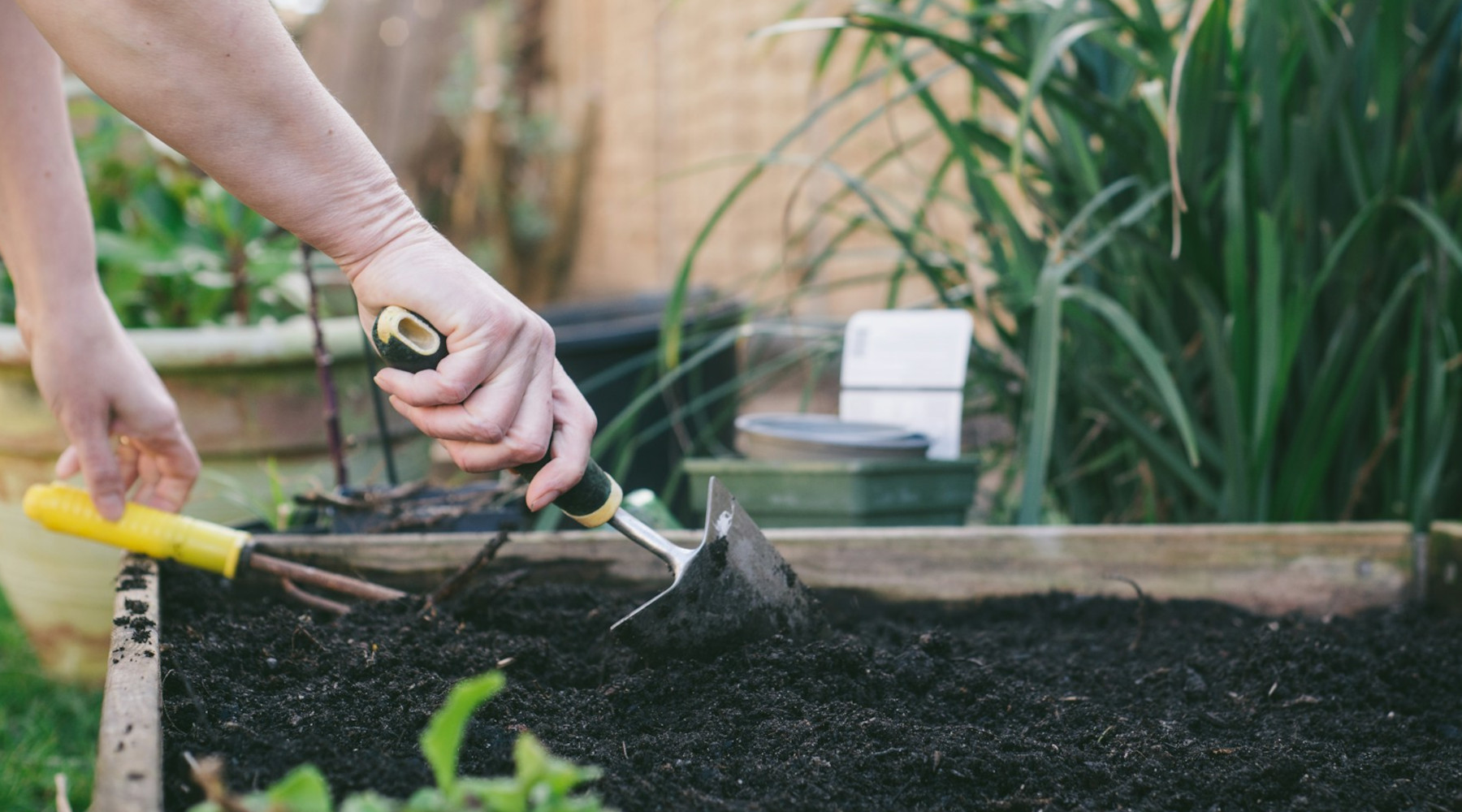

As Minnesota gardeners look ahead to 2026, one thing is clear: sustainability isn’t just a buzzword, it’s becoming the backbone of modern gardening. From no-till methods to composting and creating wildlife-friendly landscapes, these emerging trends are reshaping how we care for our yards and the environment.
No-Till Gardening: Healthier Soil, Less Work
The no-till approach is gaining traction for good reason. Instead of tilling, gardeners layer compost and organic matter on top of existing soil. This preserves soil structure, boosts microbial life, and reduces erosion. It’s a win-win: healthier plants and less back-breaking labor. In Minnesota, where heavy clay soils can be challenging, no-till beds are proving especially effective for vegetables and perennials. Bonus: fewer weeds and better moisture retention mean less time spent watering and weeding.
Composting: Closing the Loop
Composting continues to be a cornerstone of sustainable gardening. Kitchen scraps, yard waste, and shredded leaves can be transformed into nutrient-rich soil amendments. For 2026, expect more gardeners to adopt hot composting systems for faster results and vermicomposting (worm bins) for year-round indoor composting. The payoff? Reduced landfill waste, healthier soil, and gardens that thrive without synthetic fertilizers.
Creating Living Landscapes
Pollinator decline remains a concern, and Minnesota gardeners are stepping up. Native plants like wild bergamot, prairie blazing star, and swamp milkweed are becoming staples in home landscapes. These species not only attract bees and butterflies but also provide food and shelter for birds and beneficial insects. Adding features like water sources, brush piles, and layered plantings turns your yard into a vibrant ecosystem. Even small changes, like swapping a patch of turf for native flowers, can make a big difference.
Why These Trends Matter
Climate variability and environmental pressures demand smarter gardening practices. By embracing no-till methods, composting, and wildlife-friendly planting, Minnesota gardeners can reduce their footprint while creating resilient, thriving landscapes. These trends aren’t just good for the planet, they make gardening easier, more rewarding, and full of life.
Looking Ahead: Winter is the perfect time to plan. Sketch out no-till beds, set up a compost system, and choose native plants for spring. Sustainable gardening is more than a trend; it’s the future of Minnesota landscapes.
May your 2026 garden be rich with color, buzzing with pollinators, and filled with joy. Here’s to healthy soil, thriving plants, and the simple pleasures of growing something beautiful. Happy Gardening!
By University of Minnesota Extension
