
Last summer I enjoyed being a participant in the online International Master Gardener Conference. Four day-long sessions included a huge amount of information from global sources.
Being new to much of this, something I was really struck by was the mention of biochar. It is an ingredient that seems to have magical powers in boosting soil health.
Biochar and its cousins, charcoal and totally destroyed, fire-ravaged forests are very different from each other. The similarities are that all use fire and wood, and they end up black. A forest fire often consumes wood entirely, leaving nothing but smoke and soot.
Charcoal production uses temperatures around 400 degrees to turn wood into a more compact fuel. Modern operations use kilns to produce combustible charcoal.
Biochar uses temperatures of 600-1000 degrees to produce a stable charcoal. Pyrolysis uses that heat, along with an oxygen-free environment, to create small, lightweight remnants. If you think this is a new process, like I did, forget it. Pre-Columbian Amazonians were creating biochar centuries ago – though it is not known if they did it to benefit the soil.
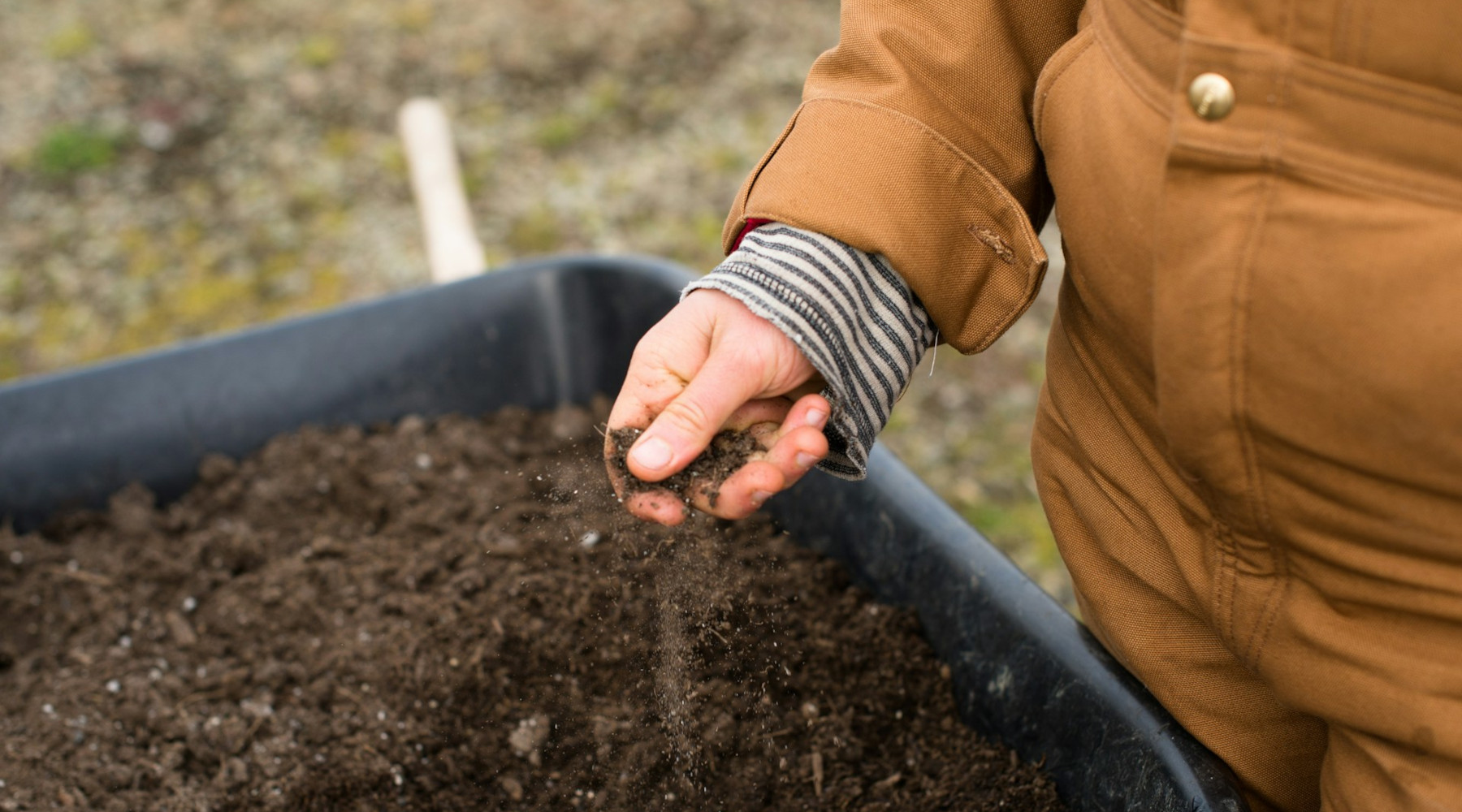
Today, you will find biochar as a component in some high-end compost mixes as a soil amendment. On its own, biochar’s effect is fairly neutral. Biochar is useful for retaining existing nutrients and soil moisture. It is thought by some that our pre-Columbian friends benefited because Amazonian worms integrated the biochar into the earth.
Recent studies have found that biochar is a way to rapidly sequester carbon below ground. This can mitigate climate change’s damaging effects. It has been proven that the worst soils benefit most from application of biochar.
The six primary markets for biochar are the agriculture and livestock industry, forest and rangeland management, mine land reclamation, urban forests and golf courses, horticulture and gardening practices and as activated charcoal in industrial applications.
One of the things that got me thinking of biochar is the piles of wood we still have standing around from last summer’s derecho that swept through northwest Iowa. It could all be chipped and used as mulch. When the derecho hit elsewhere in Iowa a few years ago, the Iowa Arboretum chipped enough wood for several years’ worth of mulch.
A study done about five years ago by the U.S. Forest Service found that biochar could be the solution to a couple of problems. Some places have too much organic material, and some don’t have enough. The excessive organic material is a major fire risk.
The study involved thinning forests to produce a healthier forest. Larger trunks might be useful. The thin trees being culled were less usable and, usually, in the past, were piled up for an open burn. The ground beneath those burns was toasted, and the result was not beneficial.
The Forest Service worked with a company to develop a contained, portable, air curtain principle device. Large and small limbs are dumped into the open top. Airflow and other controls result in biochar coming out of the bottom. The airflow box can quickly consume dried and green wood. Over 90% of the smoke particulate is eliminated during burning in the air curtain devices.
The biochar produced from that initial study process was used to give the forest healthier soil and healthier trees.
So, in gardens, the biochar can work with manure, worm castings, and other compost to enhance water retention, improve nutrient availability, and support beneficial soil microbes (the large surface area and its uneven surfaces are loved by microbes). It even reduced weed growth.
The Forest Service study found a 10-42 percent improvement in crop yield with the proper use of biochar.
By John Buntsma, Master Gardener Coordinator, Horticulture Engagement, Iowa State University
