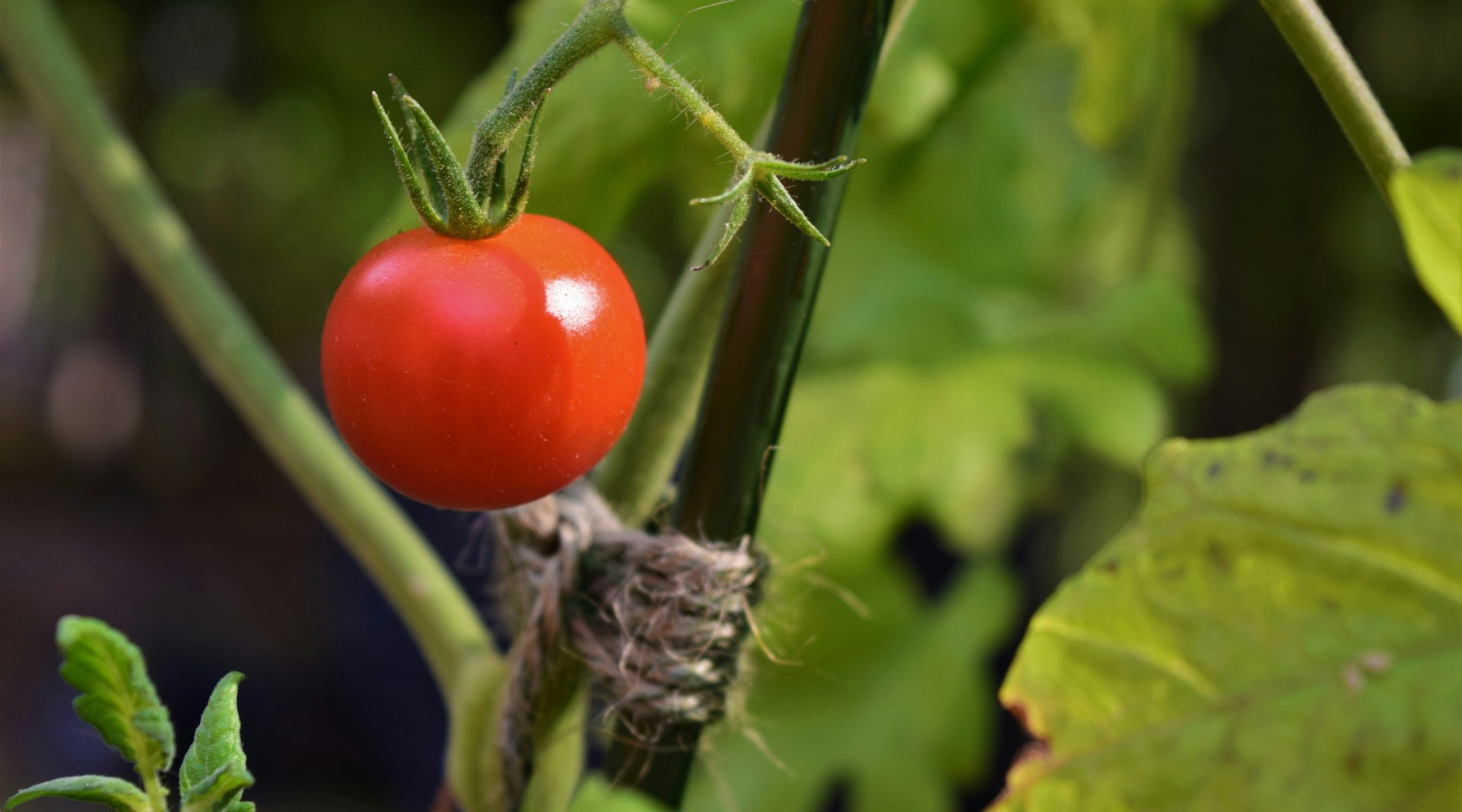

If there is one vegetable that defines the backyard garden in northern Indiana, it is the tomato.
There is the debate whether tomatoes are a fruit or a vegetable. The botanical definition of a fruit is a ripened ovary, or the seed-bearing portion of a plant, which clearly makes tomato a fruit. But in 1893, the US Supreme Court declared tomatoes to be a vegetable to settle an ongoing tariff-related issue. Despite the legal mumbo-jumbo, botanists continue to call the tomato a fruit.
Tomatoes are native to the Americas, originating in the Andean mountains in South America. The Aztecs are believed to be among the first to cultivate the plant. When European explorers carried tomatoes across the Atlantic, they were grown mainly as ornamental curiosities. In fact, for hundreds of years Europeans believed tomatoes were poisonous.
It wasn’t until the 1830s that tomatoes gained acceptance as a food crop in North America. From there, plant breeders went to work. One milestone came in 1949 when the Burpee Seed Company introduced ‘Big Boy,’ the first widely popular F1 hybrid tomato. That introduction changed home gardening. Since then, thousands of hybrid varieties have been developed, offering improved disease resistance, cold tolerance, nematode resistance and the added yield boost we call hybrid vigor.
Today’s gardeners can choose from a dizzying assortment of cultivars. As if to emphasize the point, there is even a seed catalog named Totally Tomatoes. One way to sort them out is by fruit type. On the small end are cherry tomatoes, followed by pear and plum types — often used for sauces and canning. Standard slicing tomatoes fall in the middle, and beefsteak types round out the large end of the spectrum for those who like a sandwich that requires two hands.
Another way to classify tomatoes is by days to maturity. Seed packets typically list the number of days from transplanting to first harvest. In general, early cultivars mature in about 55 to 65 days. Midseason varieties need 66 to 80 days. Late-season types require more than 80 days. In our climate, paying attention to maturity dates can make the difference between enjoying a steady harvest and watching green fruit succumb to frost.
Growth habit is another important distinction. Determinate tomatoes grow to a certain size, set most of their fruit at once, and then taper off. That can be ideal for gardeners who want a concentrated harvest for canning. Indeterminate tomatoes, on the other hand, continue to grow, flower and produce fruit throughout the season. These plants will have blossoms, green fruit and ripe fruit all at the same time and generally require staking or caging to keep them upright.
Color has expanded well beyond the traditional red. Modern breeding has given us creamy white, lime green, purple, pink, yellow, golden and orange types. The pink and yellow varieties are often labeled “low acid,” but that isn’t entirely accurate. They typically contain similar acid levels to red tomatoes; they simply have higher sugar content, which makes them taste sweeter and less tangy.
What is the best tomato? That is a bit like asking which pie is best at the county fair. Taste is personal. Soil type, weather, fertility and even how ripe the fruit is when picked all influence flavor. Try an early one, a midseason variety, maybe a beefsteak and a cherry. Keep notes. Decide what performs well in your garden. The best advice I can give is to plant several cultivars, and plant the ones you favor in following years.
By Jeff Burbrink, Extension Educator, Ag & Natural Resources, Purdue Extension LaGrange County
