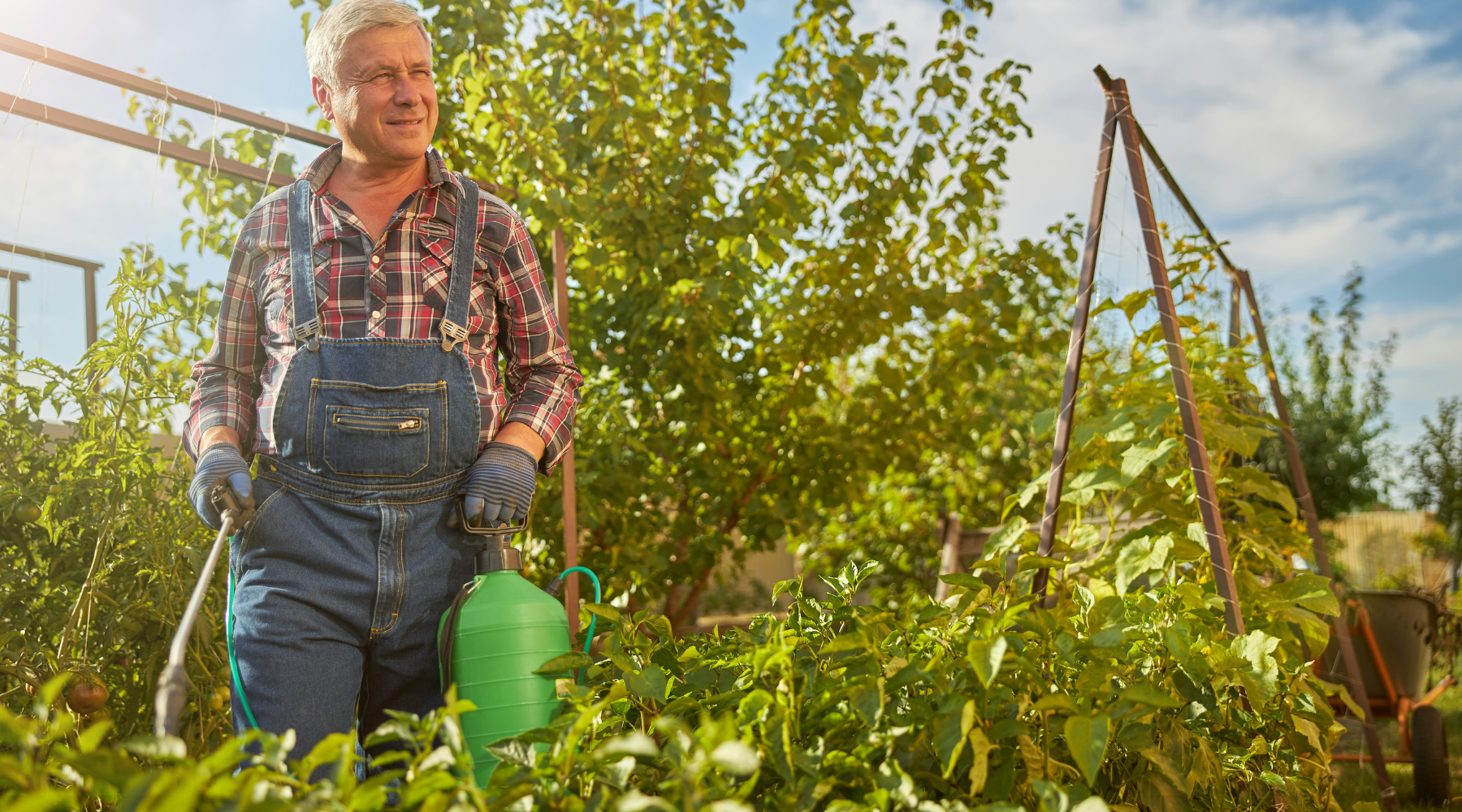

There is growing interest in producing food using organic practices or at least reducing reliance on harsh chemical pesticides. When it comes to disease management in vegetable and fruit gardens, success often begins with prevention.
An integrated pest management (IPM) approach offers a strong foundation. Planting disease-resistant varieties, rotating crops from season to season and maintaining good garden sanitation all help reduce the risk of disease outbreaks. While these strategies are effective, they don’t always provide complete protection—especially during favorable conditions for disease development.
For gardeners who prefer organic methods, additional tools are available to help manage plant diseases without resorting to synthetic pesticides.
One option is using microbial biopesticides. These products come from natural materials such as plants, bacteria, animals and certain minerals. Compared to conventional pesticides, biopesticides are generally less toxic, more targeted in their action and break down more quickly in the environment. These qualities make them a good fit for gardeners aiming to reduce environmental impact while still protecting their crops.
In addition to microbial products, some naturally occurring materials have long been used to control plant diseases. Sulfur is one of the oldest known fungicides, with a history of use spanning more than 2,000 years. It is particularly effective against fungal diseases such as powdery mildew, rusts and rose black spot. However, sulfur works by preventing fungal spores from germinating, meaning it must be applied before symptoms appear. Gardeners who experienced disease problems in previous seasons should consider early, preventive applications.
It’s important to note that sulfur is not suitable for all plants. Certain crops, including gooseberries, currants, apricots, raspberries and cucurbits, can be sensitive and may be damaged by sulfur applications.
Copper is another widely used material when managing diseases organically. Available in several formulations, including the well-known Bordeaux mixture, copper fungicides are effective against both fungal and bacterial diseases. This sets them apart from sulfur, which only controls fungi. Copper can help manage issues such as powdery mildew, downy mildew, anthracnose, bacterial leaf spots and fire blight.
Despite its effectiveness, copper must be used with care. It can be phytotoxic, meaning it may damage or kill actively growing plant tissue if applied incorrectly. Always follow label directions closely, paying attention to application rates, timing and the specific plants listed on the label. Proper use helps protect both your plants and your safety.
By combining preventive practices with carefully selected organic products, gardeners can build a well-rounded approach to disease management that supports healthy plants and a more sustainable garden.
By OSU Extension
