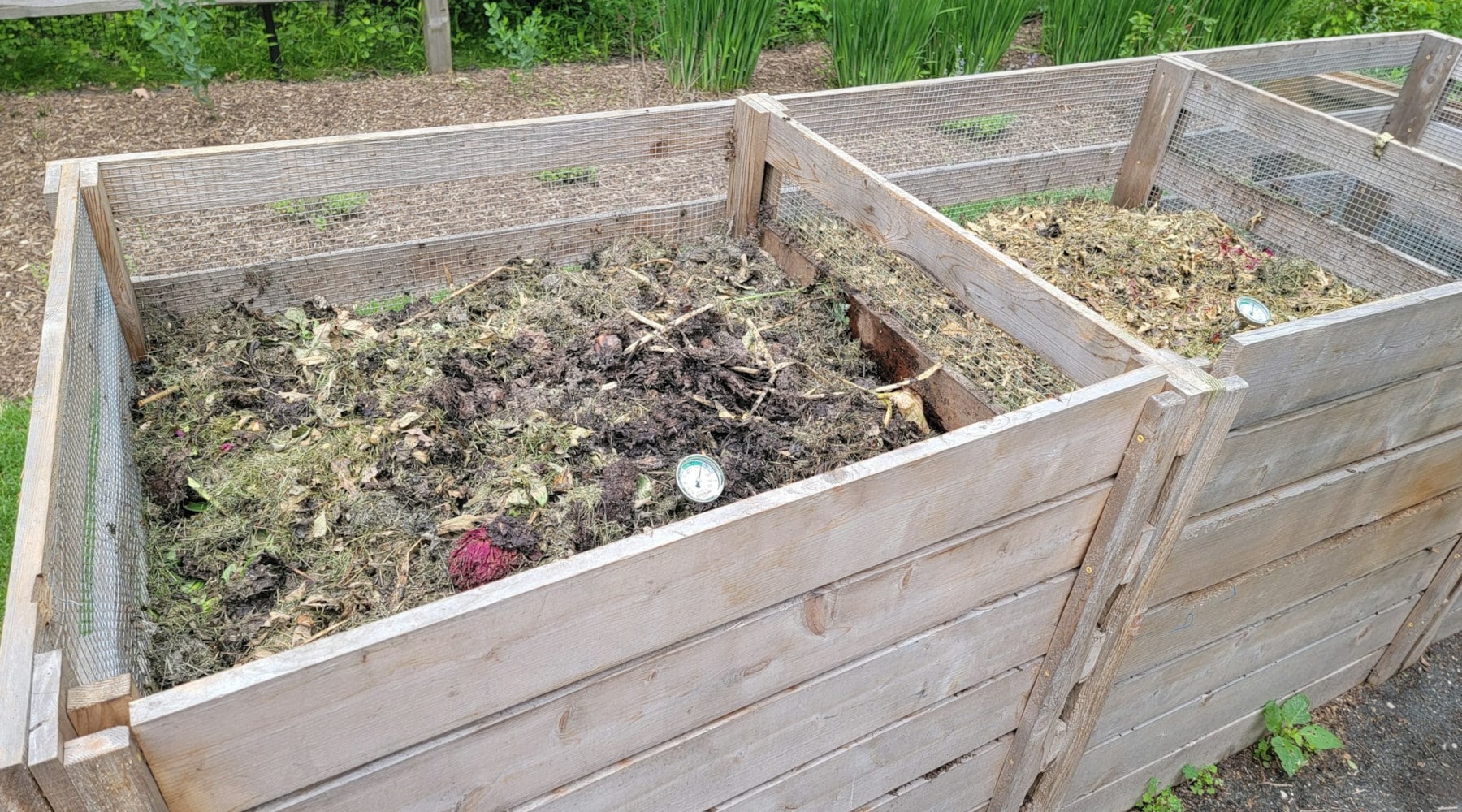

As some Connecticut gardens peak in July, residents are trimming plants, pulling spent vegetables, mowing lawns, and managing an increasing amount of yard waste. Now is the ideal time to start a compost pile that can help recycle those materials and prepare households for the large influx of leaves that arrives each fall.
A UConn Extension fact sheet, How to Get Started with Composting at Home: A Practical Guide, encourages residents to view composting as a year-round system rather than a seasonal chore. Starting a compost pile during the summer allows gardeners to begin building a foundation of organic material before autumn leaves begin to accumulate.
“Many people think about composting when leaves begin falling, but summer is actually a great time to get started,” the guide explains. Garden trimmings, spent flowers, vegetable scraps, coffee grounds, and small amounts of grass clippings can all contribute to a healthy compost pile. These materials provide the nitrogen-rich “greens” needed for decomposition and can be combined with stored leaves, shredded cardboard, or other carbon-rich “browns.”
By establishing a compost system now, homeowners will be ready to take advantage of one of Connecticut’s most abundant composting resources: fall leaves. The fact sheet notes that dry leaves are often the most useful brown material in backyard composting systems because they are plentiful, easy to store, and especially effective at balancing food scraps and other green materials.
Composting provides several benefits beyond reducing waste. Finished compost can improve soil structure, add organic matter, increase water-holding capacity in sandy soils, and make heavier soils easier to work. It can be used in vegetable gardens, flower beds, around trees and shrubs, and in container plantings.
Getting started does not require expensive equipment. A simple wire bin, wooden enclosure, plastic compost bin, or even a small open pile can be effective. The key is placing the system in a convenient, well-drained location where it can be easily accessed throughout the year.
Successful composting also depends on balance. Yard waste and food scraps should be covered with leaves or other brown materials to help control moisture, reduce odors, and discourage pests. Most common composting problems, including unpleasant smells and rodents, can be prevented by maintaining this balance and avoiding materials such as meat, dairy products, oils, and pet waste.
For gardeners who are cleaning up vegetable beds after early harvests, removing spent annual flowers, or managing summer landscape trimmings, composting offers an opportunity to turn those materials into a valuable resource rather than sending them to the trash.
While some compost piles produce finished compost in a matter of months, many backyard systems take six months to a year. Starting a pile in summer can position gardeners to have compost available for future planting seasons while creating space to efficiently manage the large volume of leaves that arrive in the fall.
UConn Extension recommends keeping the process simple. Saving leaves, collecting kitchen scraps, covering fresh additions with browns, and occasionally turning the pile can be enough to create a successful year-round composting system.
The full fact sheet, How to Get Started with Composting at Home: A Practical Guide, is available at: https://extension.uconn.edu/
By UConn Extension
