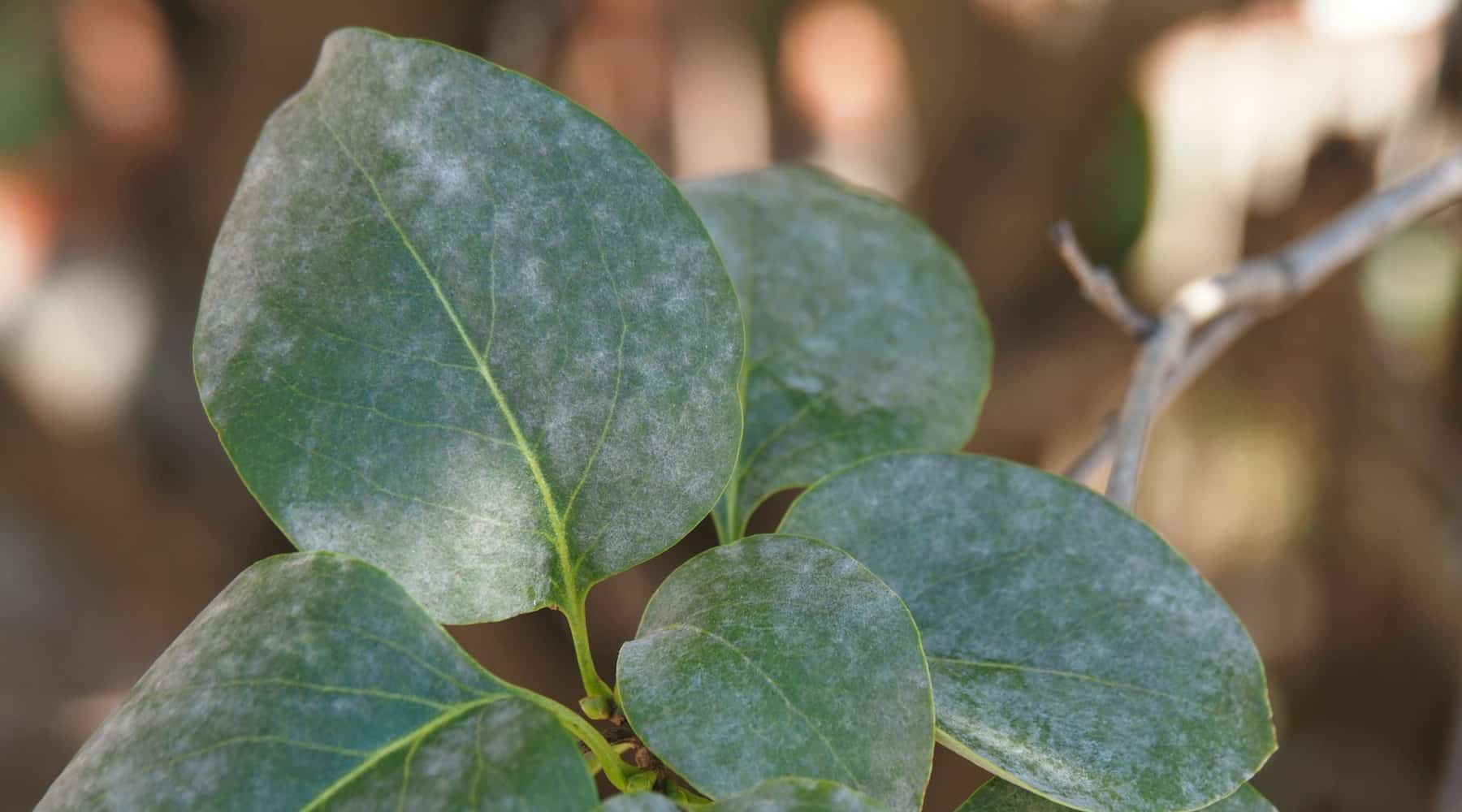

By late July, Minnesota gardens are bursting with color and produce, but they’re also prime territory for fungal infections. Warm days, humid nights, and crowded plantings create the perfect environment for these diseases. While they rarely wipe out a garden, they can weaken plants, reduce harvests, and leave leaves looking less than lovely.
Common Fungal Infections
- Powdery mildew: That white, flour like coating often seen on bee balm, phlox, cucumbers, and squash. It spreads quickly and can make leaves curl or yellow.
- Leaf spot: Brown or black speckles on tomatoes, roses, and lilacs. Severe infections can cause leaves to drop prematurely, reducing plant vigor.
- Rust: Orange pustules on hollyhocks, turf, and daylilies. Rust weakens plants by interfering with photosynthesis.
- Blight: The fast moving disease that can devastate tomatoes and potatoes, sometimes wiping out entire plantings in a matter of days.
Why They Show Up
Fungi thrive in moisture and shade. Overhead watering, dense plantings, and areas that stay damp overnight are perfect conditions. Spores spread easily on wind, rain, insects, and even garden tools. Once established, they can linger in soil or plant debris, returning year after year if not managed. That’s why gardeners often see the same problems recur each summer.
How to Fight Back
- Water wisely: Direct water to the base of plants in the morning so foliage dries quickly.
- Thin and prune: Better airflow reduces humidity around leaves and discourages fungal growth.
- Rotate crops: Changing plant locations each year helps break the cycle of soil borne fungi.
- Remove infected material: Dispose of diseased leaves and stems, don’t compost them, as spores can survive and spread.
- Choose resistant varieties: Many modern cultivars are bred to withstand common fungal threats, making prevention easier.
Fungicides are available, but for most home gardens, cultural practices are safer, more effective, and better for pollinators.
The Big Picture
Fungal infections are part of gardening life. They remind us that gardens are living ecosystems, influenced by weather, soil, and care. A few spots or patches of mildew don’t mean failure, they mean it’s time to adjust practices and keep plants resilient. Healthy gardens bounce back quickly, and gardeners gain experience with each challenge. By recognizing fungal infections early and responding thoughtfully, we protect both our plants and our enjoyment of the season.
For more news from U of M Extension, visit www.extension.umn.edu/news or contact Extension Communications at extdigest@umn.edu. University of Minnesota Extension is an equal opportunity educator and employer.
By University of Minnesota Extension
