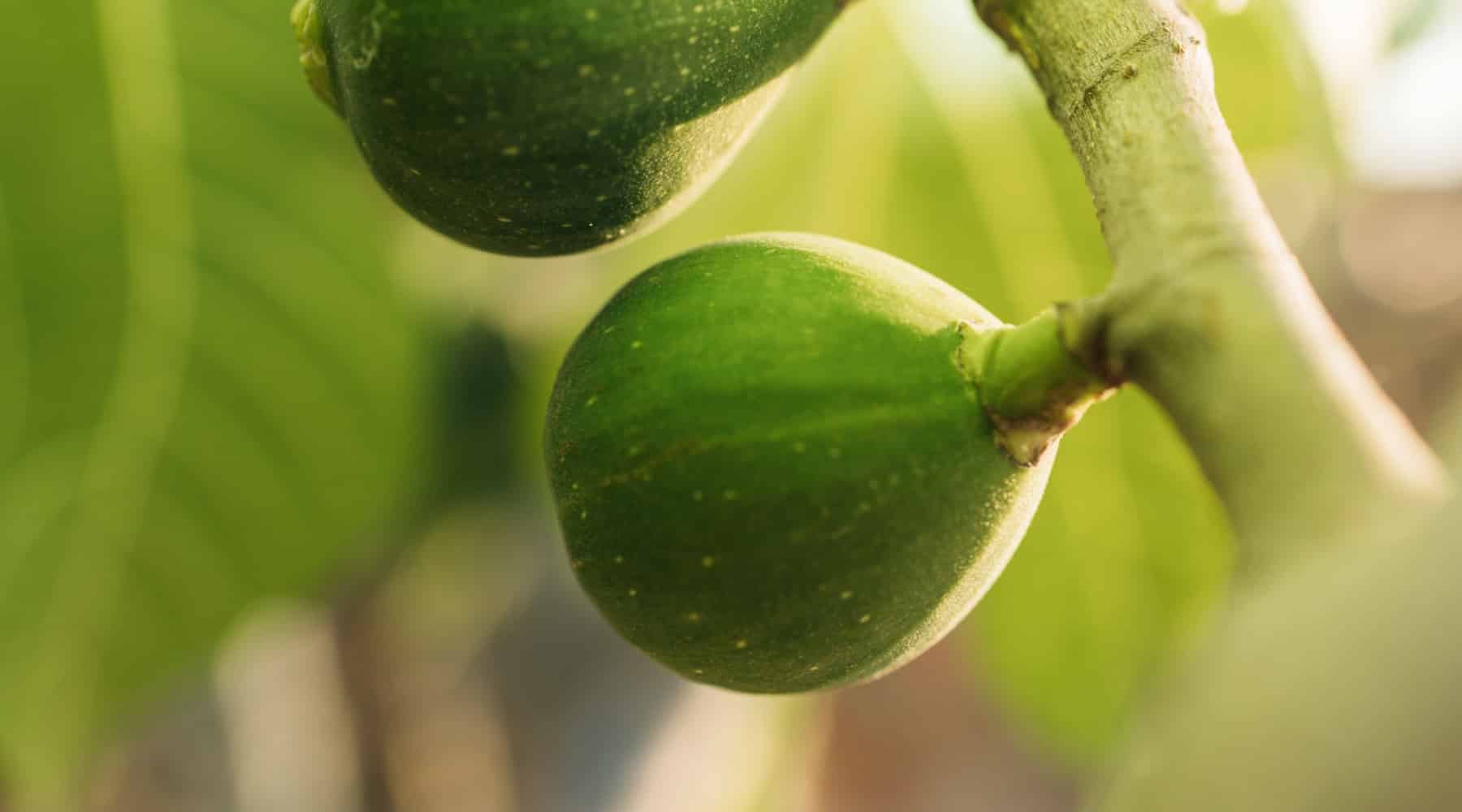

In this month’s article we are going to look at how to grow figs in the home garden. The fig is native to the Mediterranean Basin. Members of the fig family include the Osage orange, hedge apple and the mulberry. Figs are grown throughout the Piedmont and Eastern NC.
Some challenges for growing figs in NC are our cold winters and soil nematodes, but if you have reasonably well drained and fertile soils you will have success growing figs.
Varieties that do the best in our climate include: Celeste, Brown Turkey, Brunswick or Magnolia.
Celeste is a hardy variety, with small violet to light brown fruit. The fruit is good fresh or canned and begins to ripen in mid-July. Brown Turkey fruit has a light coppery brown skin and amber pulp. It fruits about 2 weeks earlier than Celeste and lasts for 2-3 weeks after Celeste. The fruit is great for preserves or to eat fresh. Brown Turkey adapts well to being grown in containers. Brunswick or Magnolia is a large fruit with amber pulp. It is recommended for preserves only and the fruit can split in our hot, humid weather.
Figs prefer loamy soil, but can grow in a wide range of soils. A soil pH of 6.0 is preferred. Fig trees like to be planted where they are protected from both the winter sun and cold winter winds. In the Piedmont it is best to plant figs on northern exposures to remain dormant and escape sudden winter freezes. If planted on southern exposures they can sometimes produce new growth during the winter that can be damaged.
The ideal time to plant figs is in the spring after danger of winter damage. You can plant in the late fall, but mulch the roots well. Plants should be planted 12-15 feet apart to either train as bushes or trees. Apply one pound of a complete fertilizer such as 10-10-10 for each year of age not to exceed 5 pounds per plant at maturity in April each year. A healthy fig should produce one foot of new growth per year.
Like other fruits pruning is important to maintain a healthy bush or tree. Prune in late winter, just before growth begins. Prune to control the height, removing dead wood and suckers from the truck. Be sure to cut back to a side branch and avoid leaving stubs. Pruning will allow for easier picking and larger fruit.
Figs are highly perishable and must be used as they ripen. Fresh figs are not tasty until soft and ripe. Ripe figs can be stored for a short time at 40 degrees F to avoid souring. For preserving, figs may be picked a few days before they are fully ripe.
If you have a fig plant that seems to always drop its fruit or never matures, it may be a Smyrna variety that requires a certain wasp for pollination that does not live in NC. Celeste and Brown Turkey bear fruit without pollination, but can still drop fruit it stressed from drought or excess moisture.
New fig plants can be propagated from cuttings or by simple layering. Cuttings of 8-10 inches from well-matured wood from one year old growth can be stored in a cool, dry place and planted in the spring in a pot. When layering, bend a sprout or sucker down and bury it in a trench about 5-6 inches deep. Make sure to leave the tip uncovered and transplant when rooted.
Problems you may encounter with figs are root-knot nematodes. A nematode soil sample can be done for $10 through our office. For ways to control the pest and disease problems call your local Cooperative Extension Office at 919-496-3344.
I hope you have continued to enjoy the fruits of your labor this summer. In the next edition of this column, you will learn the health benefits of figs.
By Charles Mitchell, NC Cooperative Extension Franklin County
