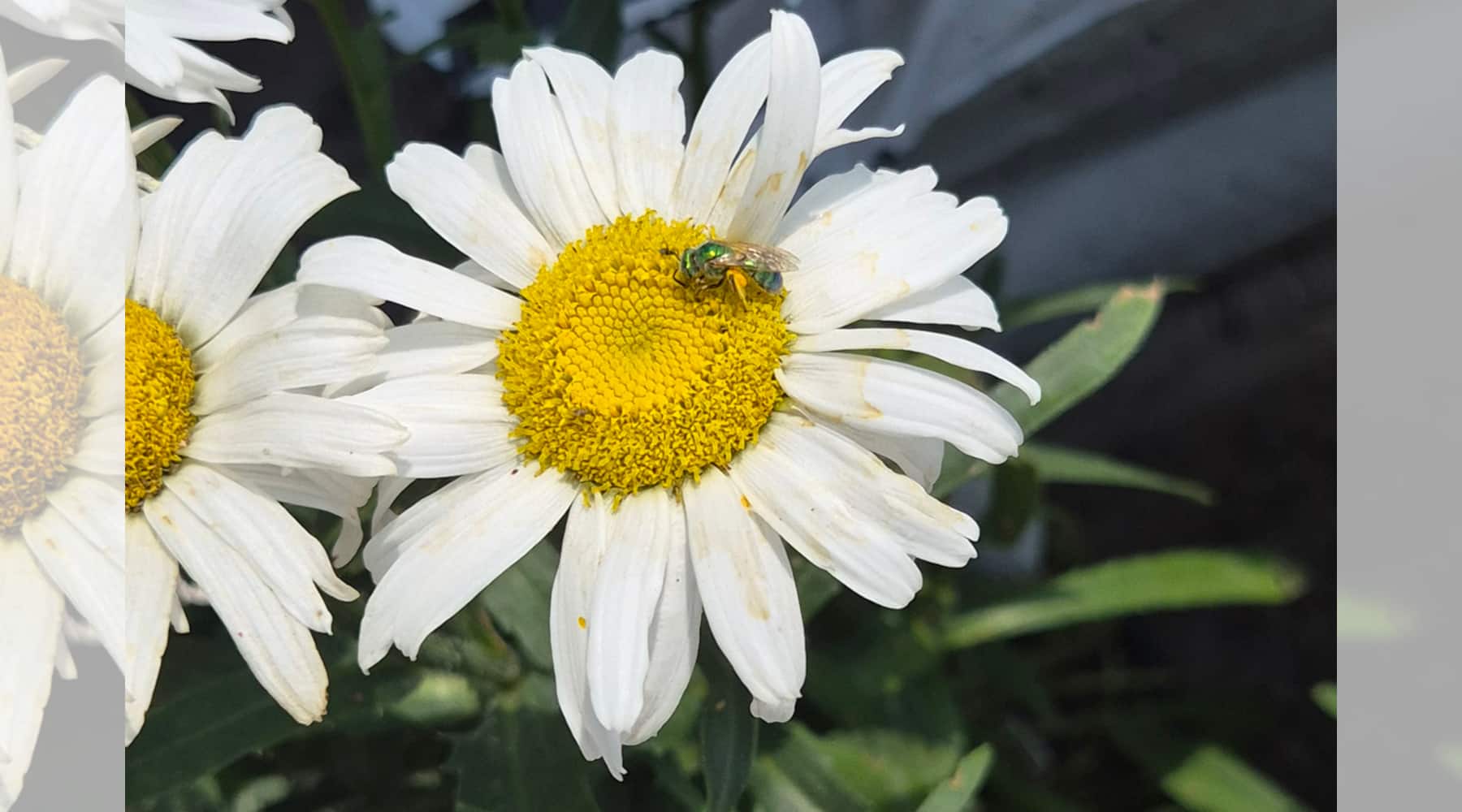

Bees are the primary pollinator for plants in the Cucurbitaceae family, or cucurbits for short, which includes melons and squash. Squash bees are among the most efficient pollinators of pumpkins and squash. These native bees can be seen flying around in the early mornings visiting squash flowers. They are underground nesters, making their homes in holes near the garden bed or nearby bare soil. Along with other native bee nesters. Squash bees live a solitary life. Unlike social insects, they won’t sting or pester humans.
Understanding how a particular vegetable plant’s flowers are pollinated will help you make gardening decisions and troubleshoot problems. Pollination is the deposit of pollen grains from the male plant structure (anther) onto the female plant structure (pistil) of the same plant species. Pollen can be transferred within an individual flower or between separate flowers. For example, beans are self-pollinators, not requiring insect pollination. Conversely, summer squash flowers require insect pollination and are only open in the morning. The limited window of time makes this species more prone to flower and fruit drop from a lack of pollination. Poor pollination is sometimes due to minimal bee activity during adverse weather conditions or insecticide use. This could explain why beans are overtaking the garden, but yellow squash can’t be found.
Plants such as dill, fennel, and parsley are caterpillar host plants for the black swallowtail butterfly, an often-welcome visitor in home gardens as a prolific pollinator. Caterpillars consume a significant amount of plant material to complete their development, which may alarm home gardeners who wish to harvest the plants for their own use. Consider finding a balance in the garden. Leave some ‘sacrificial’ plants for caterpillars and protect the other plants. Also, netting over the plants designated for the caterpillars will help protect them from predators.
Looking for more buzzing and beauty in your home garden or landscape? Common insect pollinators include bees, butterflies, and flies. With bees as the most essential cross-pollinator. There are several ways to attract, retain, and protect pollinators. Be sure to plant native and well-adapted flowering plants for season-long bloom in or near the garden. Great flowering perennial plant selections include bee balm, milkweed, and sedum. Create a nesting habitat such as a ‘bee hotel’ for ground and cavity-nesting bees. Do not spray insecticides or fungicides on flowering plants or fruit trees before or during bloom. If pesticide applications are necessary, choose a product with the least toxicity to bees and other pollinators.
Nebraska Extension is a Division of the Institute of Agriculture and Natural Resources at the University of Nebraska–Lincoln cooperating with the Counties and the United States Department of Agriculture. Nebraska Extension educational programs abide with the nondiscrimination policies of the University of Nebraska–Lincoln and the United States Department of Agriculture.
By Katie Markheim, Nebraska Extension Master Gardener Volunteer
