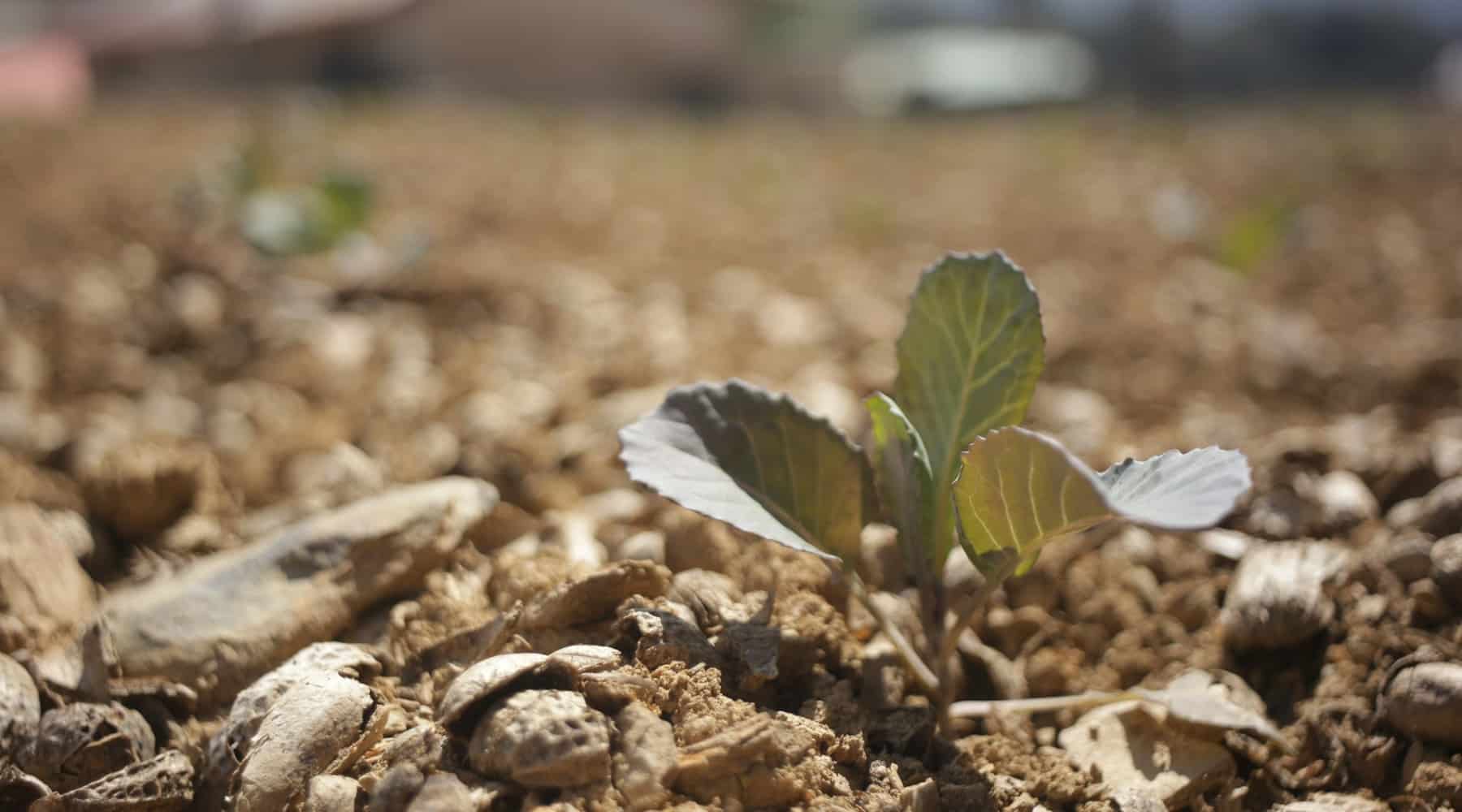

I know what you’re thinking. “There is no way I’m planting a fall garden in this heat.”
And honestly, I don’t blame you. It is hot, dry, and dusty across East Texas. The garden soil is dry, the thermometer is still pushing toward triple digits, and the idea of putting young vegetable plants into that environment doesn’t sound like a recipe for success.
But fall gardening in East Texas doesn’t wait for the weather to become comfortable.
The calendar says fall garden. The thermometer says summer. The soil says drought.
So, what should a gardener do? Start ‘getting ready’.
One of the biggest mistakes I see with fall vegetable gardening is waiting until it finally feels like fall to begin. By the time cooler temperatures arrive, some of the best planting windows have already passed.
Texas A&M AgriLife Extension reminds us that planting at the proper time is probably the most important factor in successful fall gardening. The trick is knowing what to plant, when to plant it and how to get those plants established during the heat of late summer.
Start with the garden itself.
Since your spring garden is likely finished, remove the old vegetable plants and weeds. Don’t simply leave everything lying in the garden. Old plant material can harbor insects and disease problems that can carry into the next crop.
Next, prepare the soil.
If your soil is powder-dry and hard, give it enough water to make it workable. Incorporate organic matter where appropriate and get the beds ready before planting. If you have been gardening in the same spot for years, a soil test can also tell you what your soil actually needs instead of guessing.
And then comes the fun part—deciding what to plant. Not every vegetable belongs in the ground at the same time.
Some warm-season vegetables can still be planted or harvested during this transition, while many of the vegetables we associate with fall—such as broccoli, cabbage, cauliflower, collards, carrots, chard, kohlrabi, lettuce, spinach, radishes and turnips—have specific planting windows that depend on where you live.
For East Texas gardeners, that means pay attention to the calendar rather than waiting for the first cool morning.
But there is another problem with planting a fall garden in late August and early September. It’s hot.
Young transplants have small root systems, and they can dry out very quickly in late-summer heat. Texas A&M AgriLife recommends using transplants for many fall crops because they get the plants established more quickly. However, those young plants may need frequent attention during their first couple of weeks while their roots expand into the surrounding soil.
That doesn’t mean keeping the soil constantly wet.
In fact, AgriLife cautions that too much water can be just as harmful as too little. Soaking-wet soil can lead to root problems and plant decline. Check the soil before watering rather than automatically reaching for the hose every day.
Mulch can be your friend here.
A good organic mulch helps conserve moisture and moderate soil temperatures while the young plants establish themselves. Drip irrigation is another excellent option because it puts water near the roots without continually wetting the foliage.
And don’t forget that you don’t have to plant everything on the same day.
Get the garden cleaned up now. Get the soil ready. Get your seed. Find good transplants. Decide what you want to grow.
Then watch the weather and take advantage of a good moisture opportunity.
A good soaking rain can change the equation dramatically. If we get one, that’s the time to get serious about planting rather than simply following a calendar blindly.
Fall gardening is one of the great advantages we have as gardeners in East Texas. While our friends farther north are putting their gardens to bed, we are getting ready for another growing season.
The trick is not to wait until it feels like fall.
Start preparing now.
Your garden will be ready when the weather finally catches up with the calendar.
Cary Sims is the County Extension Agent for agriculture and natural resources for Angelina County. His email address is cw-sims@tamu.edu.
Educational programs of the Texas A&M AgriLife Extension Service are open to all people without regard to race, color, sex, disability, religion, age, national origin, genetic information, or veteran status. The Texas A&M University System, U.S. Department of Agriculture, and the County Commissioners Courts of Texas Cooperating.
By Cary Sims, Texas A&M AgriLife Extension Angelina County
