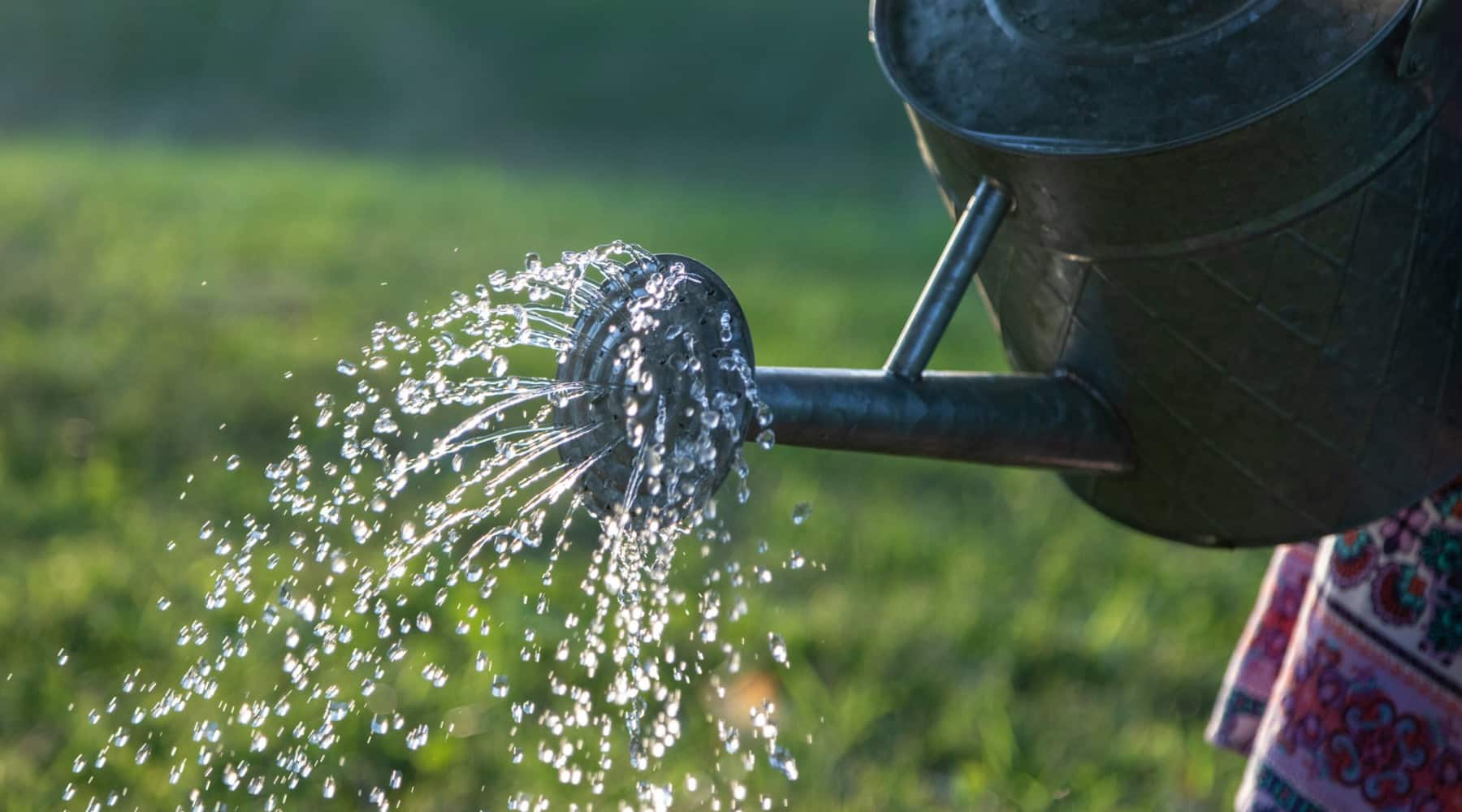

Rainwater that lands on a roof does not have to rush straight toward the street. Downspouts can sometimes be directed toward lawns, gardens, or landscaped areas where the water can soak into the soil. Rain barrels can also capture a portion of roof runoff for later use on ornamental plants. Before installing a barrel, make sure the overflow has somewhere safe to go and keep water away from building foundations.
While catching water, be sure to know where you are sending unwanted water. Washing a vehicle in the driveway can send soap, dirt, oil, and other materials toward storm drains or into nearby soil. If you wash your vehicle at home, use a shutoff nozzle and turn the hose off while soaping. Better yet, wash on a permeable surface where appropriate so water can soak into the ground. Commercial car washes may also recycle some of their water and send wastewater through a treatment system.
Healthy soil can act like a sponge. Soil with good structure and organic matter is better able to absorb rainfall and hold moisture for plant roots. Compacted soil, on the other hand, can cause water to run across the surface instead of soaking in. Compost, plant roots, and reduced soil disturbance can help improve soil over time. Avoid working garden soil when it is extremely wet and limit unnecessary foot traffic in growing areas. Improving the soil can help plants make better use of the water they receive.
Improving your soil doesn’t mean that using more fertilizer will lead to better plant growth. Excess nutrients can move below the root zone or leave the property with runoff. In areas that depend on groundwater, careful use of fertilizer is one way to help protect drinking water. Test your soil when appropriate, follow label rates, and apply fertilizer when plants can actually use it. Avoid spreading fertilizer onto sidewalks, driveways, or other hard surfaces where it can be washed away.
When washed away, water can end up in our groundwater. It may be out of sight, but it is not disconnected from what happens at the surface. Water moving through soil can carry dissolved materials, and changes in groundwater quantity and quality can take years to show up. That is one reason protecting groundwater requires long-term thinking. Careful fertilizer use, proper chemical disposal, well maintenance, and water conservation all play a role. The water beneath us is a resource built over time, and protecting it takes the same kind of patience.
Nebraska Extension is a Division of the Institute of Agriculture and Natural Resources at the University of Nebraska–Lincoln cooperating with the Counties and the United States Department of Agriculture. Nebraska Extension educational programs abide with the nondiscrimination policies of the University of Nebraska–Lincoln and the United States Department of Agriculture.
By Kirstee Schutte, Nebraska Extension Master Gardener Volunteer
