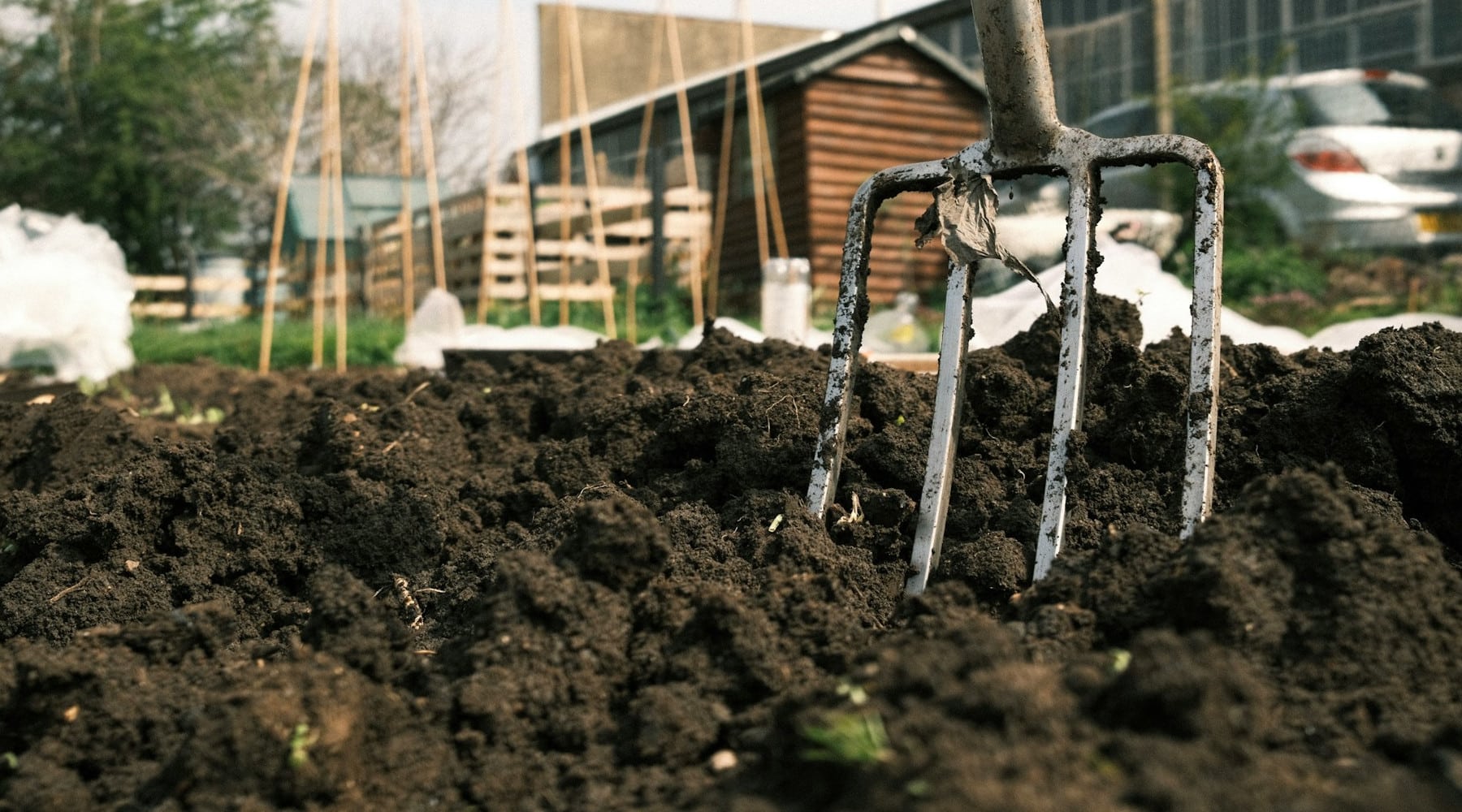

As nighttime temperatures begin to dip below freezing, Minnesota gardeners have one last opportunity to prepare their landscapes for winter. A few hours of fall cleanup and maintenance can protect plants, improve soil health, reduce pest and disease problems, and set the stage for a successful growing season next year.
Start with the Basics
Begin by removing and disposing of any diseased plant material, such as blight-infected tomatoes or vegetables affected by powdery mildew. This helps prevent diseases from surviving the winter and returning next season. Healthy plant debris can be composted or used as mulch. Before a hard freeze arrives, harvest any remaining vegetables. Root crops such as carrots, beets, and parsnips can tolerate light frosts, but warm-season crops like tomatoes, peppers, and beans are easily damaged by freezing temperatures.
Care for Raised Beds
Raised beds need extra attention because their soil experiences greater temperature fluctuations than in-ground gardens. After removing spent crops, add compost and other organic materials, such as shredded leaves or well-rotted manure, to replenish nutrients and improve soil health. Cover raised beds with a 2- to 4-inch layer of mulch to reduce erosion, suppress weeds, and add organic matter.
Leave Some of Nature Standing
Not every garden bed needs a complete fall cleanup. Seed heads from coneflowers, black-eyed Susans, and ornamental grasses provide winter interest and food for birds, while hollow perennial stems offer shelter for native bees and other beneficial insects. Leave healthy stems standing until spring and recycle fallen leaves as mulch to improve soil health and support wildlife.
Soil Testing
Fall is an ideal time to test garden soil. Results provide valuable information about pH and nutrient levels and allow amendments such as lime, sulfur, phosphorus, or potassium to be added months before spring planting. Applying nutrients based on soil test recommendations saves money and helps protect water quality.
Sustainable Practices for a Healthier Garden
Many gardeners are adopting sustainable end-of-season practices that benefit both the garden and the environment. Composting healthy plant material, reusing leaves as mulch, planting cover crops, minimizing tillage, and preserving some plant stems and seed heads all help build healthier soils and support pollinators and wildlife.
As winter approaches, thoughtful fall garden care can provide significant rewards. By cleaning up wisely, protecting soil, and testing soil, gardeners can head into spring with healthier gardens and fewer problems when the growing season begins again.
By University of Minnesota Extension
