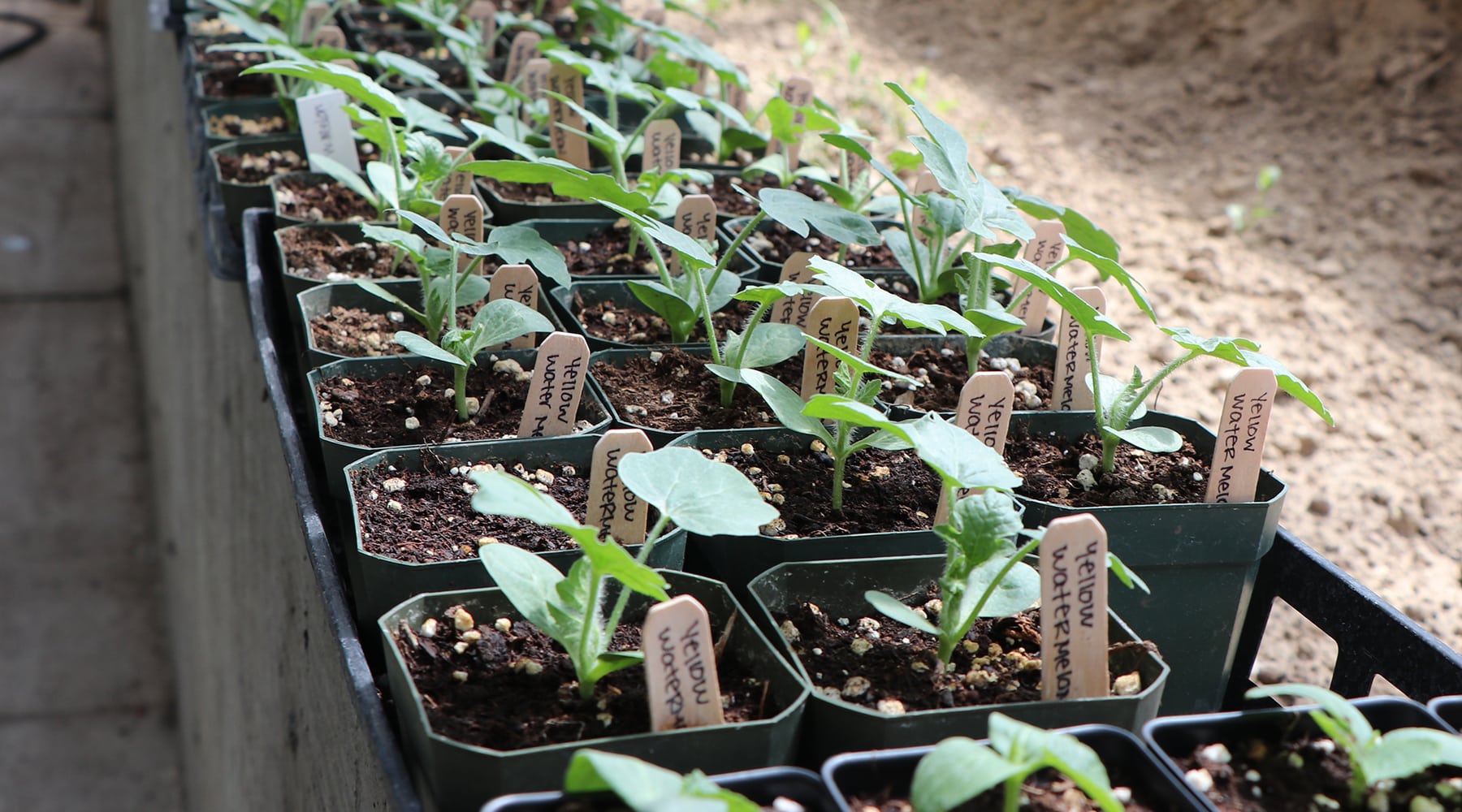

With our warm days, you may be asking yourself when to start your plants. While cool-season crops can go in the ground in late April, it is best to wait until after our last frost to plant warm-season crops into the garden. It takes about 6-8 weeks to grow tomatoes and peppers from seed, so count backward from Mother’s Day to determine when to start the plants indoors. Since Mother’s Day this year is on May 10, you should have kicked off the indoor growing season for tomatoes and peppers in early March. Peppers can be planted 7-8 weeks prior to outdoor planting, with tomatoes six weeks prior to planting, as they will grow faster.
Don’t fret, if you missed the indoor planting date or have found it difficult to keep those seedlings alive, plants for purchase from a retailer or local grower may be your solution.
When starting your growing season indoors, be sure to use good quality seed. For growing media, use potting soil or a soil-less mixture that contains vermiculite, perlite, and/or peat moss. Choose growing media that is lightweight and well-drained and has been moistened prior to adding to planting containers. Start the seeds in seed trays or other types of peat containers. You can reuse pots or seed trays from previous years; just make sure they’re cleaned thoroughly each year. You can recycle old food containers or make your own from newspapers or toilet paper tubes. Be sure that all recycled containers are thoroughly cleaned prior to use and have good drainage or drainage holes punctured into them.
Once your seeds are planted indoors, keep an eye on the temperature and light. Plants from seed should be grown in temperatures between 70 and 75 degrees. Too cold or too warm can reduce germination rates, or the plants may grow leggy or improperly. Seedlings need 12-16 hours of light per day. The light source can be as simple as a utility or shop light with one cool and one warm fluorescent bulb. The light should be kept about one inch above the plants. As they grow, this light should be moved up with the seedlings. The light should not be on continuously. There are many lights for growing plants that have built-in timers to keep them on for up to 12 hours. You can also use an inexpensive outlet timer to keep them on for 12-16 hours and off for the rest of the evening.
Prior to transplanting outdoors, plants should be hardened off to acclimate them to the outdoor conditions. One to two weeks before planting outdoors, begin gradually moving your plants outside, exposing them to more wind and sunlight for longer periods as the hardening-off period continues. Plants started indoors have not developed a thicker cuticle to withstand Nebraska winds, so they need to be exposed to the wind gradually to encourage them to grow stronger. Plants also need to adjust to the sunlight. Moving them abruptly from inside your home to outside conditions could cause the plant to snap off in high winds or develop sunscald on the leaves.
Finally, using a landscape maintenance company offers a viable option to maintaining your landscape. Care should be taken to ensure a reputable company is selected. If you’re a property or homeowner looking for help when caring for the lawn and landscape, you have the option to hire a professional to do the work for you. When selecting a reputable company, consider schedule flexibility, communication strategies, response times, expertise, comprehensive maintenance plans, and environmental stewardship. If your choice meets all the above, you’re well on your way to a great-looking place.
By Katie Markheim, Nebraska Extension Master Gardener Volunteer
