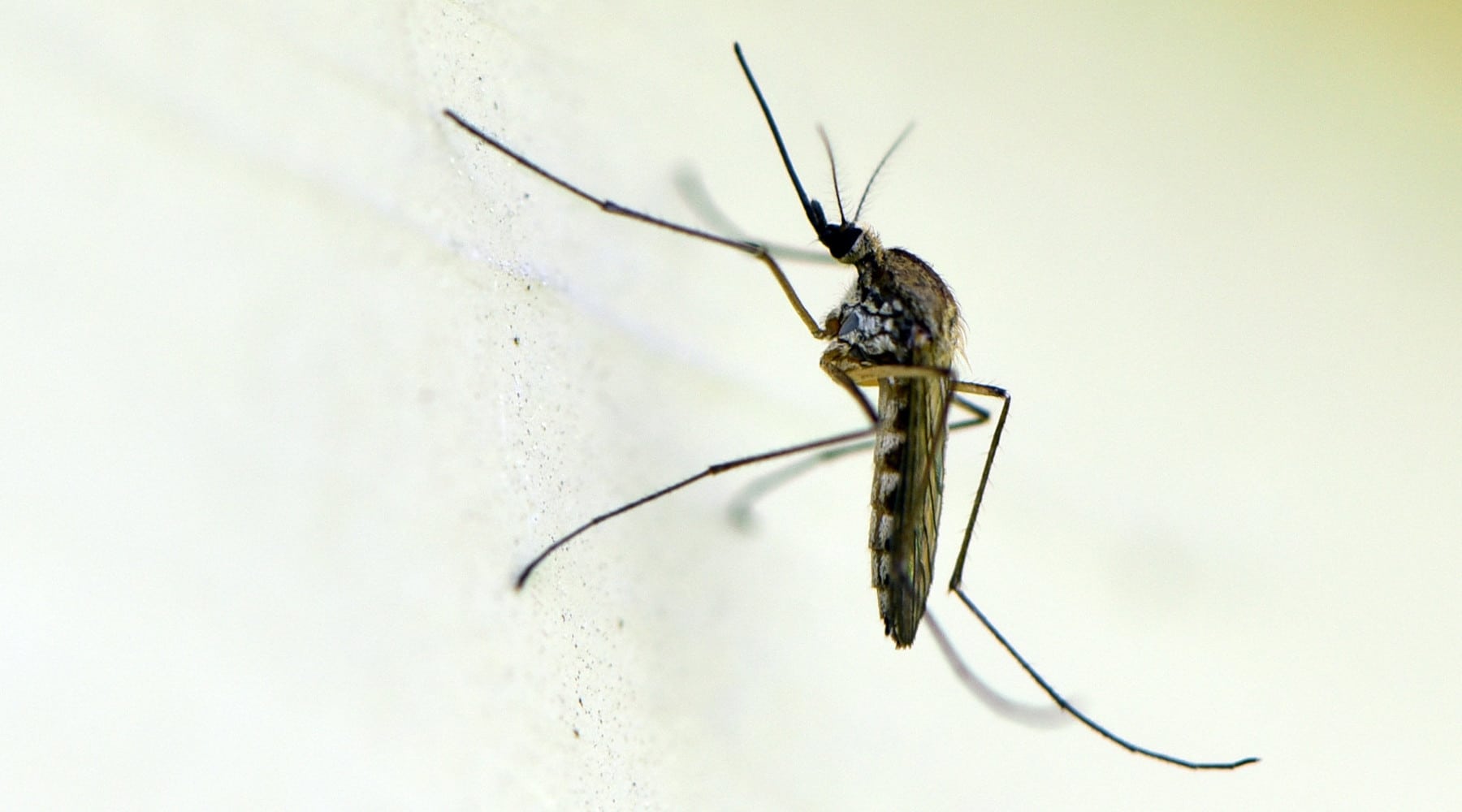

For the past few weeks, many of us have enjoyed the cool weather and surprising lack of mosquitoes. That changed for me on Sunday evening when a few determined biters found me in the barn. By the third pass, it was clear these weren’t wanderers from the wetlands down the road, they were coming from much closer to home.
Minnesota has about 51 mosquito species, and roughly 20 of them regularly bite humans. Only a handful can transmit disease, but those few matter.
- Culex species: the primary carriers of West Nile virus in Minnesota, thriving in warm, stagnant water and peaking in late summer.
- Aedes triseriatus: the tree hole mosquito responsible for La Crosse encephalitis, especially in wooded areas.
- Aedes vexans: our most common “floodwater” mosquito; aggressive but not a major disease vector.
- Anopheles species: malaria transmitters globally, but here they’re mostly nuisance biters.
Mosquitoes also affect animals. West Nile virus appears in Minnesota horses most summers, and several mosquito species spread heartworm to dogs and cats, making preventatives essential.
Managing Tall Grass
If you’ve let part of your property grow wild, remember that while long grass doesn’t breed mosquitoes, it does shelter them. Mosquitoes spend most of their day resting in cool, humid, wind protected spots, exactly the microclimate tall grass creates.
Mowing tall or weedy areas reduces mosquito activity by:
- increasing airflow
- lowering humidity
- exposing soil to sunlight
- flushing out resting adults
For best results, mow in the morning, and maintain turf at 3–4 inches, short enough to reduce shelter, tall enough to keep grass healthy.
Break the 7 Day Cycle
Mosquitoes need 7–10 days of still water to complete their life cycle. Eliminating small water sources is the most effective control strategy.
- Dump standing water weekly: birdbaths, saucers, toys, watering cans, wheelbarrows.
- Clean gutters: clogs create hidden pools.
- Use mosquito dunks: the active ingredient, BTI, targets larvae safely.
- Aerate ponds: moving water prevents breeding.
Accidental Backyard Nurseries
Common overlooked sources include plant saucers, uncapped fence posts, downspout extensions, and old potting soil bags. A tablespoon of water is enough for larvae.
Plants That Help
Aromatic plants don’t repel mosquitoes outright, but they confuse their ability to find you. Good choices for Minnesota patios include lemon balm, catmint, bee balm, lavender, and basil. Brush or crush the leaves to release scent.
Airflow & Wildlife
Mosquitoes struggle in moving air. A simple fan on the deck can cut bites dramatically. Pruning shrubs for airflow and choosing breezier seating areas also help. Dragonflies, swallows, nighthawks, and bats all contribute to natural mosquito control.
A mosquito smart garden isn’t about eliminating mosquitoes entirely; it’s about reducing the conditions that help them thrive. A few simple habits can turn your yard from a breeding ground into a far more comfortable place to spend a Minnesota summer.
For more news from U of M Extension, visit www.extension.umn.edu/news or contact Extension Communications at extdigest@umn.edu. University of Minnesota Extension is an equal opportunity educator and employer.
By Robin Trott, University of Minnesota Extension
