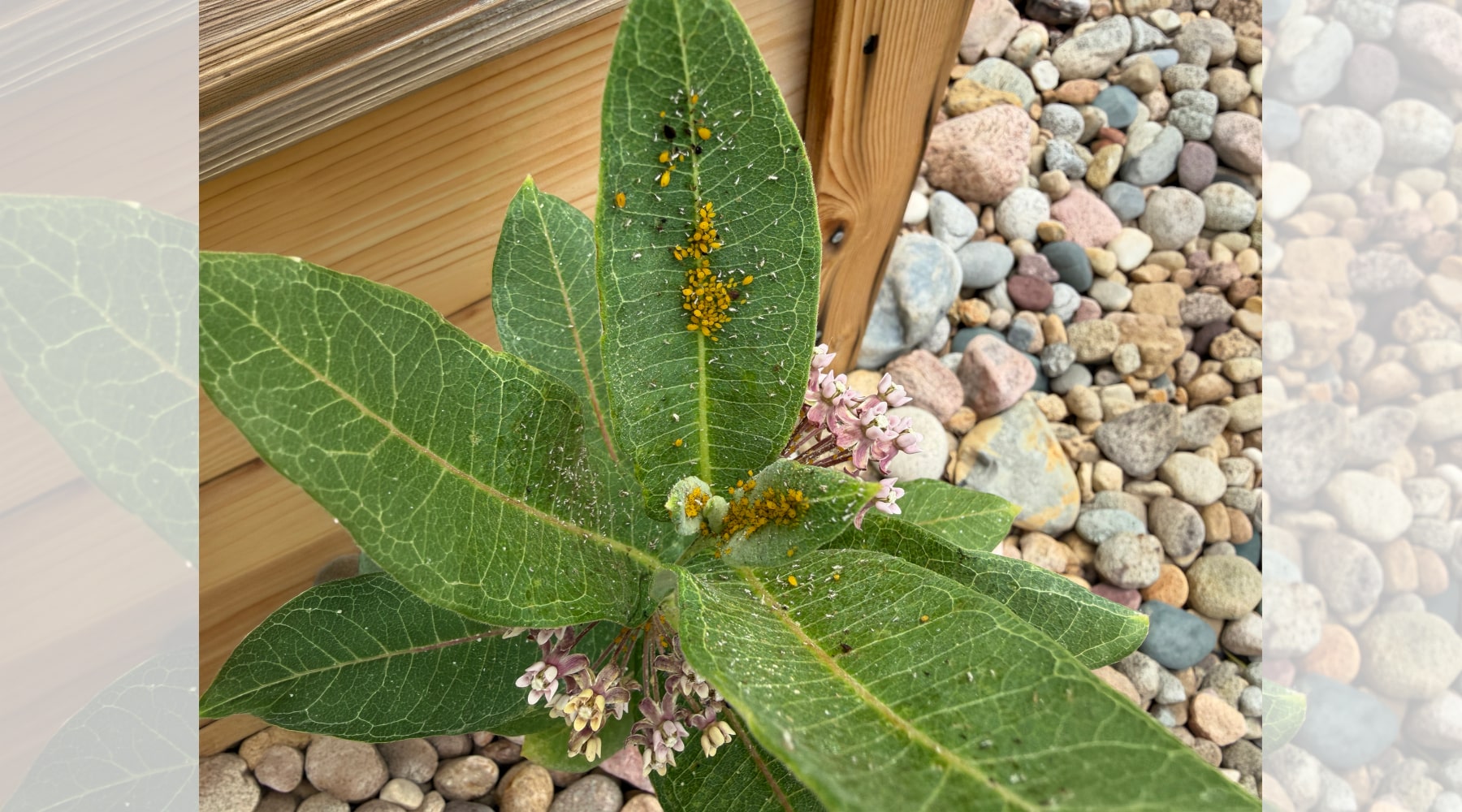

Today, we’ll discuss common garden mistakes that attract pests.
First off, planting too early may expose plants to peak pest activity. Bean leaf beetles often target early-planted green beans. Cucurbits planted at the first hint of warm weather may be more vulnerable to squash bugs and cucumber beetles. Petunias or impatiens planted when nighttime temps are cool grow slowly, producing soft new growth that attracts aphids. Resist the temptation to get a jump start on the growing season, as timing matters.
Pests and diseases are specific to plant types and can hide in the soil between growing seasons. Avoid planting tomatoes or peppers where you had disease issues. Keep cucumbers, squash, and melons away from the site of a squash bug infestation. Rotating crops disrupts pest life cycles by removing their preferred hosts. Moving plants to different beds or sections each year can reduce recurring issues.
Mulch, when applied correctly, is a garden workhorse, but misapplying it can create a host of problems. Excess mulch can trap moisture, creating habitats for slugs, fungi, and rot, especially if piled against stems or trunks. Too little mulch can stress plants by creating uneven soil moisture and allowing weeds to compete for water and nutrients. Apply a 2- to 4-inch layer, spreading 2- to 3-inches away from stems and trunks.
Watering at night minimizes water loss from evaporation, but it also means foliage and turf stay wet overnight. This creates ideal conditions for fungal diseases and some insects. Lawns are susceptible to brown patch and dollar spot. Prolonged leaf wetness on ornamentals can lead to powdery mildew, leaf spot diseases, increased pest activity, and increased mosquito activity. Instead, water early in the morning to allow plants to absorb moisture, with foliage drying before nightfall.
Many plants provide critical shelter and food to animals throughout winter. Make sure the dead leaves and spent annuals you’re leaving behind don’t provide insulation, allowing insects, eggs, larvae, and diseases to survive the winter. Squash vines can harbor squash vine borer eggs. Tomato debris may bring blight spores to the next season. Diseased rose leaves can carry black spot through winter. To help break the pest and disease cycle, remove and discard diseased plant material before snow flies.
Nebraska Extension is a Division of the Institute of Agriculture and Natural Resources at the University of Nebraska–Lincoln cooperating with the Counties and the United States Department of Agriculture. Nebraska Extension educational programs abide with the nondiscrimination policies of the University of Nebraska–Lincoln and the United States Department of Agriculture.
By Elaine Pile, Nebraska Extension Master Gardener Volunteer
