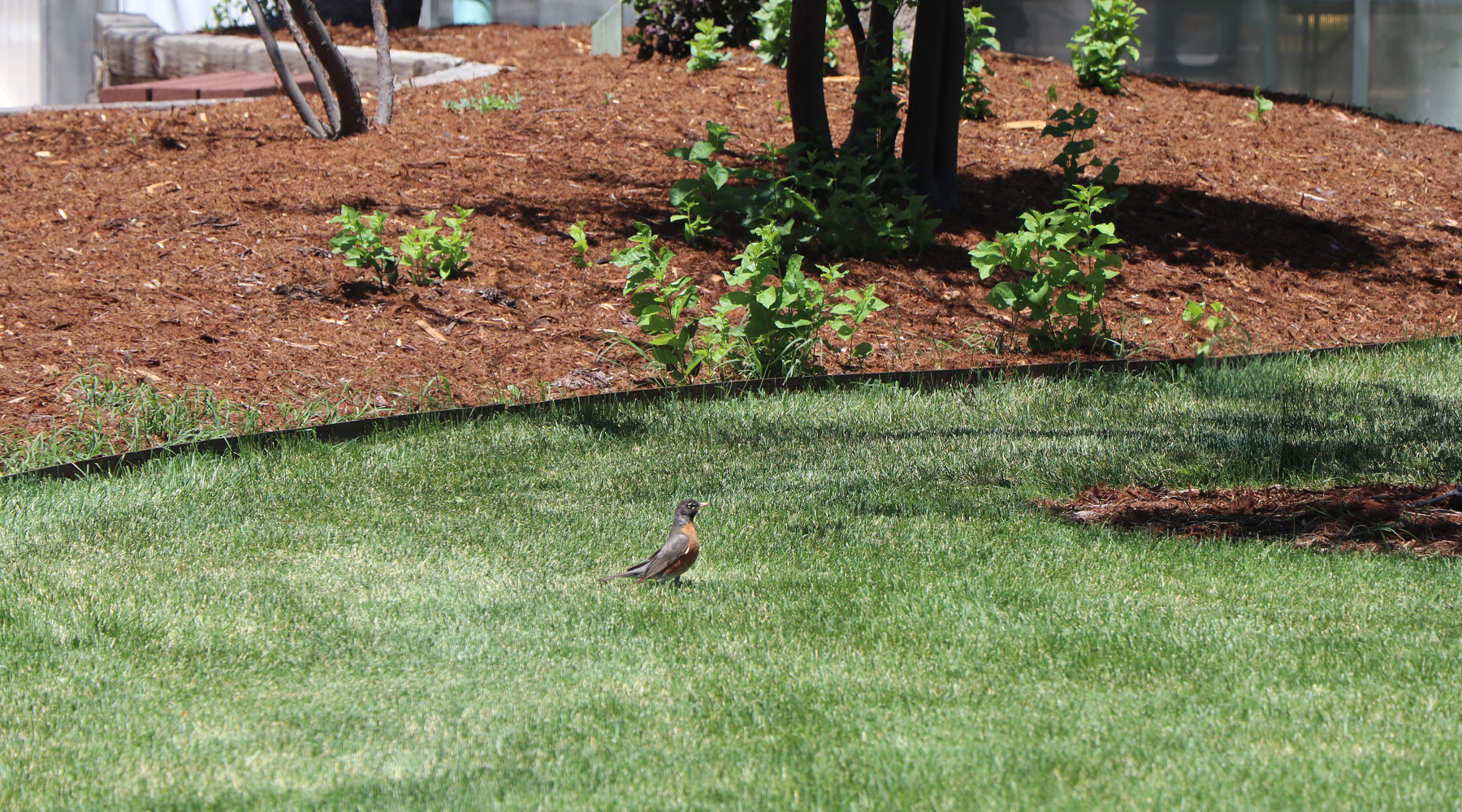

A brown lawn is not always a dead lawn. During hot, dry weather, cool-season grasses can go dormant to conserve energy and water. The grass may lose its green color, but the crown and roots can remain alive. Instead of trying to keep every inch of lawn bright green all summer, consider allowing less-used areas to go dormant. If you do water, focus on areas that matter most and avoid watering simply out of habit.
Lawns in dry weather can also benefit from taller grass, which shades the soil, reduces moisture loss, and encourages a deeper root system. Cutting grass too short can stress the plant, especially during summer heat. Avoid removing more than one-third of the grass blade at a time and leave the lawn a little taller during hot, dry periods. Sharp mower blades also make cleaner cuts and reduce plant stress. Sometimes saving water starts with the lawn mower, not the sprinkler.
Your lawn and landscape are not the only places where you can manage water use. One of the biggest water wasters in a home can be a toilet that never seems to stop running. Some toilet leaks are obvious, while others can go unnoticed for weeks. Put a few drops of food coloring in the toilet tank and wait without flushing. If color appears in the bowl, water is leaking through the tank. Replacing a worn flapper is often a simple and inexpensive repair. Checking toilets a few times a year can prevent hundreds or even thousands of gallons of treated water from going straight down the drain.
Dishwashers and washing machines use water whether they are completely full or only partly loaded. Whenever possible, wait until you have a full load before running them. Modern dishwashers are often more water-efficient than washing dishes by hand, especially when you skip rinsing every plate under running water first. The same idea applies to laundry. Fewer, fuller loads can reduce both water and energy use. Small household habits add up when practiced every week.
Finally, check your habits to save water. It is easy to leave the faucet running while brushing your teeth, shaving, washing vegetables, or scrubbing dishes. Most of that water is not actually being used. Turn the faucet off when you do not need a steady stream. Keep a bowl of water in the sink for washing produce or soak dishes instead of letting water run continuously. These changes do not require new equipment or expensive upgrades. They simply require paying attention to when water is actually doing a job.
Nebraska Extension is a Division of the Institute of Agriculture and Natural Resources at the University of Nebraska–Lincoln cooperating with the Counties and the United States Department of Agriculture. Nebraska Extension educational programs abide with the nondiscrimination policies of the University of Nebraska–Lincoln and the United States Department of Agriculture.
By Kirstee Schutte, Nebraska Extension
