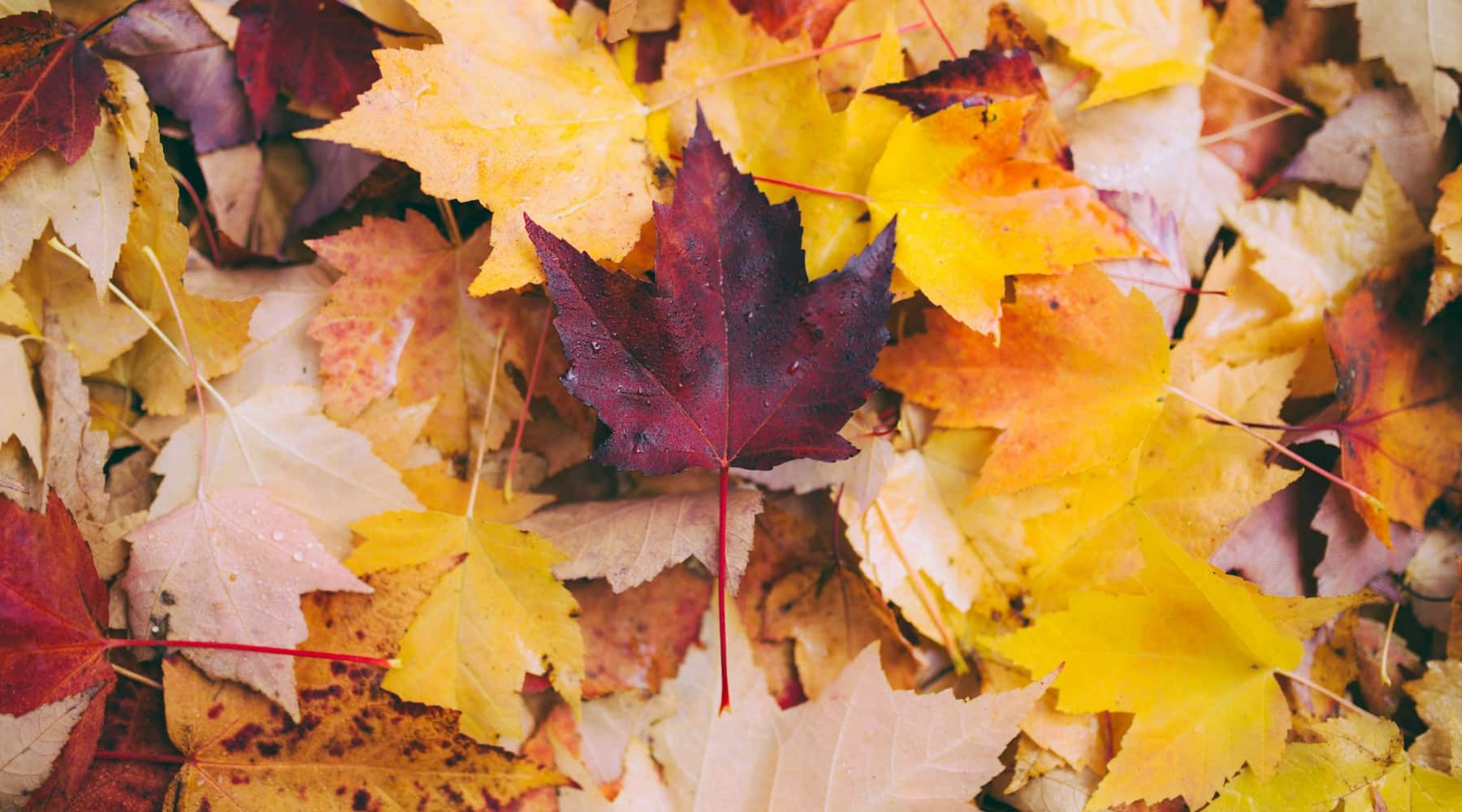

Minnesota’s landscapes are turning page by page into autumn’s story. Late August into September brings the first hints: maples blushing at the edges, sumac blazing scarlet along ditches, birches glowing yellow, and prairie grasses deepening into bronze and purple. To those who pay attention, these colors aren’t just decoration, they’re gentle clues about the season ahead.
What’s Changing Now
- Maples – Sugar maples lead the way, shifting to orange and red as daylight shortens.
- Sumac – Roadside colonies glow crimson, a reliable early marker of fall’s arrival.
- Birch and Aspen – Their lighter foliage quickly turns yellow, often weeks before oaks.
- Prairie Grasses – Big bluestem and switchgrass add bronze and purple tones, signaling summer’s close.
These shifts happen as shorter days and cooler nights slow chlorophyll production. As the green fades, the hidden pigments appear.
Hints for Winter
The timing and intensity of fall color can offer subtle hints:
- Early shifts often point to drought stress, meaning trees may struggle to store energy for winter.
- Brilliant reds and oranges suggest healthy sugar production, a sign of good late season moisture.
- Muted yellows or browns may reveal leaf disease or stress, warning gardeners to watch for dieback.
For gardeners, these clues matter. A dry summer followed by early color change means watering trees and shrubs into fall is wise. Strong, vibrant color suggests plants are entering winter with better reserves.
Folklore Forecasts
Generations of Minnesotans have looked to nature for signs of winter’s mood. These clues—charming, if not scientific, connect us to a long tradition of observation and storytelling:
- Oaks heavy with acorns – A bumper crop is said to foretell a harsh season.
- Busy squirrels – Early gathering and thicker nests hint at colder months ahead.
- Thick coats on animals – Deer, horses, and even farm cats growing heavier coats are traditional indicators of a tough season.
- Woolly bear caterpillars – Folklore says a wider brown band means a milder winter, while more black signals colder days.
- Ballooning spiders – When spiders spin out silk and drift on the breeze in great numbers, it’s said to signal fair weather ahead, often tied to the last warm spell before winter sets in.
Almanac Outlook
The Old Farmer’s Almanac predicts a mostly mild winter nationwide, with near normal temperatures in Minnesota and wetter conditions possible. A strengthening Super El Niño often tilts winters toward warmer temperatures and fewer major snowstorms here. Still, history reminds us that even El Niño years can deliver surprises, like the Halloween Blizzard of 1991.
Minnesota’s fall colors are more than a feast for the eyes, they’re a seasonal report card. Whether you trust the squirrels, the acorns, or the Almanac, one truth remains: winter always brings surprises. By reading the clues now, we can prepare our homes, gardens, and communities for whatever the cold months deliver.
By University of Minnesota Extension
