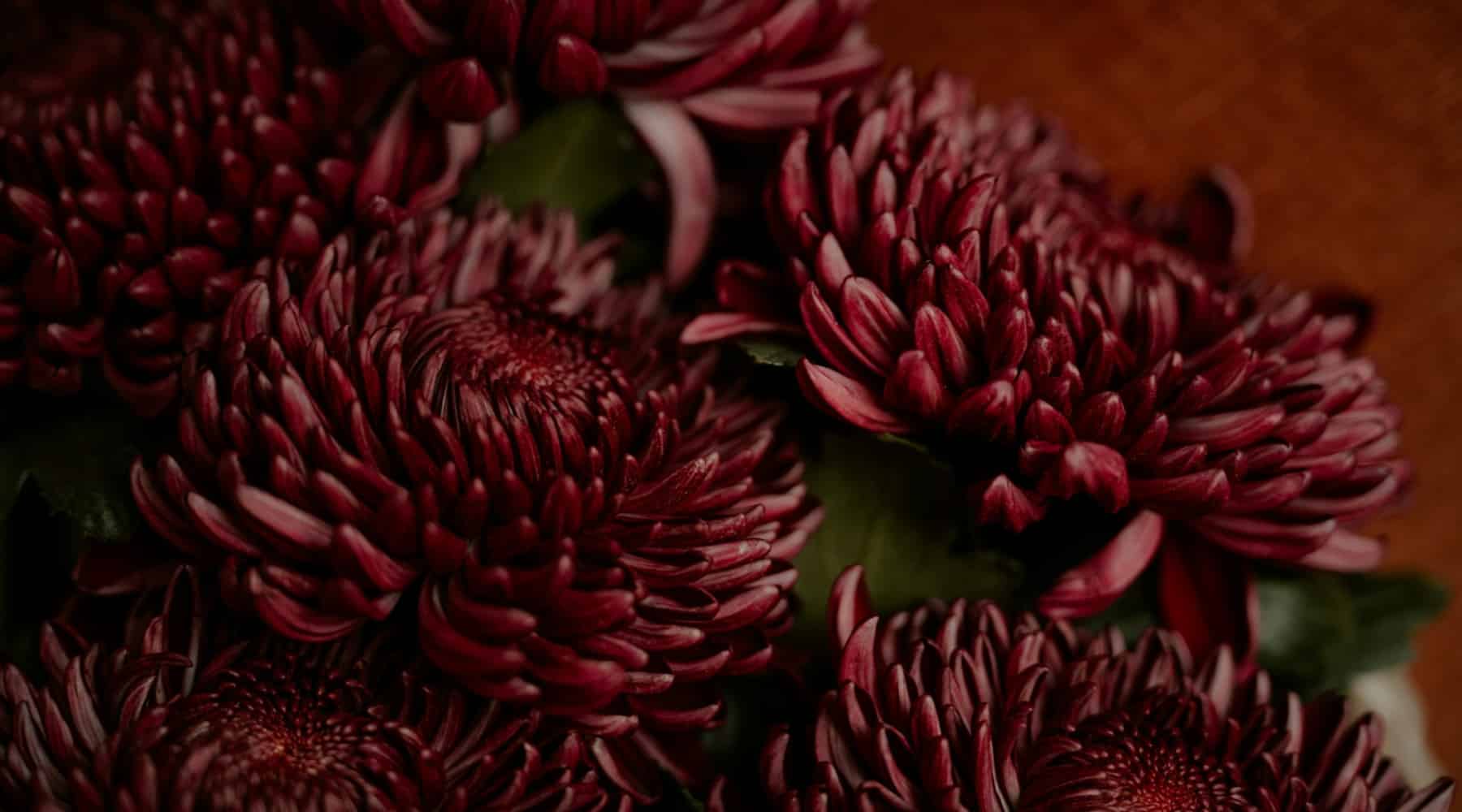

September marks the beginning of the great summer-to-fall garden transition and, although most summer plants still have life left in them, many gardeners are turning their attention to the iconic chrysanthemum.
The majority of mums sold in pre-planted containers at the garden center are typical “cushion” mums. I wouldn’t garden without them, but there are plenty of other interesting options for gardeners looking to branch out.
Botanists worldwide recognize approximately 40 species of wild chrysanthemums. Over centuries, hundreds of thousands of varieties and cultivars have been bred from them, making the plant family one of the largest in the world.
The National Chrysanthemum Society has wrangled the whole lot into 13 exhibition-judging categories, each based on flower shape. Many of those, however, are too delicate to grow outdoors or require specialized handling that is not easily attainable in the garden, so they are not offered by the horticultural trade.
Still, there are plenty of beautiful, eye-catching and even unusual types available to home gardeners to make your fall garden stand out.
Easy-to-find perennials
Many mums are perennial and will return year after year if planted early enough for their roots to become established before frost.
If you intend to plant perennial mums, beware of so-called florist mums, which are often sold in foil-wrapped pots at supermarkets and chain stores, as they are intended as a one-season fall decoration. Always check plant tags for information about hardiness in your horticultural zone.
At the supermarket or garden center, you also will likely encounter perennial cushion mums. When in bloom, the compact, mounding plants resemble a cushion covered in small double flowers in white, yellow, lavender, pink, purple, red, orange, bronze or rust. The plants usually begin blooming in late summer or early fall and continue for four to six weeks. Most cushion mums are hardy in zones 5-9, with some able to survive winters down to zones 3 or 4.
Unique standouts
Daisy chrysanthemum blooms resemble their namesake flower, with a flat, central “eye” surrounded by individual petals (sometimes in multiple rows). Like all “spray mums,” each stem branches at its end to hold several white, gold, yellow, pink, lavender, violet, orange, rust, bronze or even two-tone flowers. Most mums of this type are suited for zones 5-9, but some exceptionally cold-tolerant varieties, such as Mammoth, are hardy down to zone 3.
You’re less likely to find Fuji, or spider, mums at retail stores, but they’re worth seeking out at specialty nurseries or catalogs. Their exotic blooms, comprised of elongated, tube-like petals with curved ends, were named for their resemblance to spiders with spindly legs. Mostly hardy down to zone 5, the plants make wonderful additions to the mid- and late-fall garden, as their four- to eight-week bloom period often doesn’t begin until early November.
Homecoming, or Football, mums are the largest, showiest members of the Chrysanthemum family. The plants grew in popularity in the first half of the 20th century because of their use as corsages at college homecoming parades and festivities. Today, the plants with huge, densely packed flowers and inward-curved petals can be grown as perennials in home gardens in zones 5-9. You are most likely to find Homecoming mums at specialty nurseries or in mail-order catalogs.
When it comes to extraordinary fall plants, mum’s the word.
Jessica Damiano writes weekly gardening columns for The Associated Press. She publishes the Weekly Dirt Newsletter. Sign up here for weekly gardening tips and advice.
By Jessica Damiano, Associated Press
